Contact   |   Staff  |   Contribute  |   Advertise  |   Site Map  |   Legal

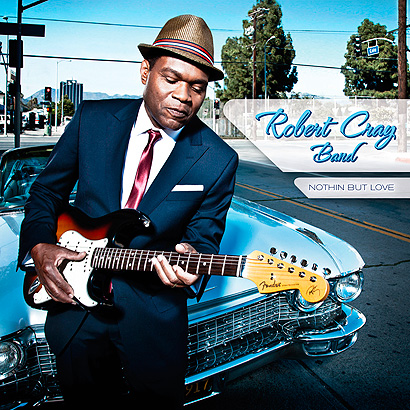
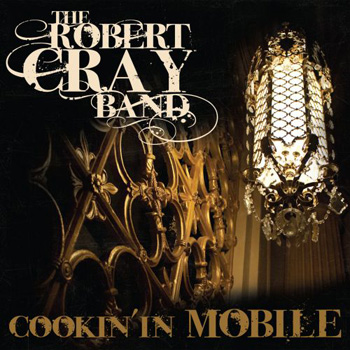
The Robert Cray Band – Cookin’ In Mobile

August 23rd, 2010 in CD/DVD, Reviews by Chris Dingman

Release Date: July 27, 2010Cookin' In Mobile

After decades of serving up smooth, soul-infused blues, singer and master guitarist Robert Cray has at last released a live DVD to give viewers at home the chance to experience one of music’s classiest acts. Fortunately for us, Cray made sure to get things done right.

The camera work is excellent, with edits lingering long enough on individual shots to spotlight the playing. His creative chord voicings, which help elevate excellent songs like ‘Our Last Time,’ ‘One In The Middle’ and ‘Time Makes Two’ are well-framed by the skilled camera crew.

Cray’s distinctively Stratty guitar playing is outstanding, and the many nuances in his bends, vibrato and pick attack are ably captured here. The mix itself is strong, with a good balance between the instruments, although Cray’s vocals are mixed high enough that they occasionally obscure his great guitar work. Happily, during his many excellent solos, his playing always comes through with perfect clarity.

Although Cray’s expressive voice and playing shine throughout blues jams and ballads alike, he is at his very best during soulful numbers like ‘Love 2009,’ ‘Lotta Lovin’’ and ‘Time Makes Two.’ ‘Love 2009’ in particular is loaded with earnest passion and a chorus that hits home every time, while the uptempo ‘Chicken In The Kitchen’ is both fiery and filled with cheeky, good-natured humor. Cray’s guitar playing stands out during concert staple ‘Smoking Gun,’ where his barrage of dynamic and wrenching solos drive the performance to escalating heights.

The chemistry between Cray and his band persists through every solo, every transition and every ending and gives the entire set an incredibly intimate vibe. When Cray takes his second solo in ‘Anytime,’ the dynamic drumming of Tony Braunagel helps him expand the emotional impact of his solo by ratcheting up the intensity at the ideal moment.

Throughout the set, the smooth and rumbling tone of Richard Cousins’ bass playing is matched by his unshakable groove and playful, engaging stage presence. Although the string patch during ‘Time Makes Two’ could be more organic, everything else in keyboardist Jim Pugh’s array of sounds suits the soul and blues settings nicely, and his solo during ‘One In The Middle’ is so tasteful that it becomes a natural extension of the song.

After the show is over, the DVD still has a few bonus features to unveil – including a nice set of interviews with Cray and his band about his background, the formation of the band and the development of their latest album, This Time. All in all, this DVD/CD package has a lot to offer fans of modern blues and soul, and is essential for followers of Robert Cray.

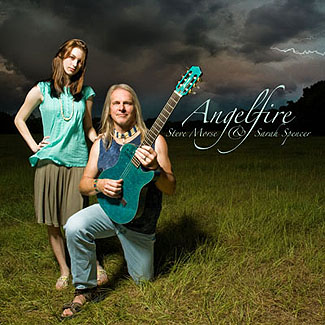
Steve Morse & Sarah Spencer – Angelfire

August 10th, 2010 in CD/DVD, Reviews by Chris Dingman

Steve Morse & Sarah Spencer - AngelfireRelease Date: August 10, 2010

Throughout Steve Morse’s memorable career he has written music that draws on hard rock, country, British fusion and baroque classical. Angelfire, the debut album from his latest project of the same name, finds Morse applying his gifts to yet another genre: acoustic vocal music.

Morse and his partner in Angelfire, the talented Sarah Spencer, share a powerful musical chemistry. Drawing on his experience with instrumental music, Morse creates compelling progressions for songs like ‘What Made You Think?’ that bring Spencer’s strong melodies to life. For her part, Spencer’s flowing delivery drives reflective songs like the excellent opener ‘Far Gone Now’ and adds a gentle insistence to groovier songs like ‘Terrible Thing To Lose.’

While a classical influence dominates the mesmerizing ‘Omnis Morse Aequat,’ and the album closer ‘Urban Decay’ draws on acoustic pop, most songs fuse the two styles with quiet elegance. Even in ‘Omnis Morse Aequat,’ which recalls the calmer compositions that often appear on Morse’s solo albums, the addition of Spencer’s harmonies allows the piece to become something ethereal. Likewise, the simplicity of ‘Urban Decay’ is supported by Morse’s skillful use of harmony – he keeps things interesting, but never so complicated as to become distracting.

Although Morse favors dynamic arpeggios over searing leads throughout the album, he does take tasteful acoustic solos during the affecting ‘Here Today’ and ‘Terrible Thing To Lose.’ Morse even breaks out the electric for a restrained but blazing outro solo during the prog-influenced ‘Take It Or Leave It.’

Angelfire’s production, handled by Morse himself, handles the balance between guitar and vocals nicely. Through layering and the judicious use of reverb, Morse and Spencer expand on the space created by Morse regulars Dave LaRue and Van Romaine on bass and drums. Aside from a few odd choices, such as the abrupt ending of ‘Everything To Live For,’ the airy production helps to create the soft atmosphere that the duo’s music suggests.

Angelfire is a soothing record, and an excellent companion for a quiet night alone. The album reveals satisfying depth upon repeat listens – in the beautifully balanced songwriting, the strong performances and the pleasant production. For Sarah Spencer, Angelfire is the promising debut of a talented young artist, and for Steve Morse, it is one more victory in a career built on personal and musical integrity.

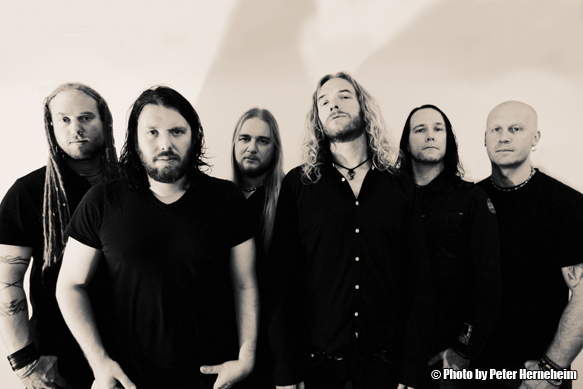
Dark Tranquillity @ Harper’s Ferry – Allston, MA

May 19th, 2010 in Concert, Reviews by Chris Dingman

Only three months after playing a short set in Boston with Killswitch Engage, Dark Tranquillity returned to treat their loyal fans to a headlining show at the cozy Harper’s Ferry. Hometown heavies Acaro were the first to take the stage that night, and they controlled the room with ease. Frontman Chris Harrell engaged the early arrivals with a charming and energetic sense of humor, which his band backed up with terrific, raw energy and enthusiasm in their brief performance.

Mutiny Within continued the same standard of crowd interaction, making frequent eye contact and shaking hands with fans while unleashing an excellent blend of technical wizardry and well-implemented melodic ideas.

Niklas

Niklas Sundin

Although vocalist Chris Clancy was too low in the mix, his fervent vocals matched his bandmates’ ferocity – and exceptional pop sensibilities – with equal skill. Guitarists Dan Bage and Brandon Jacobs pulled off their challenging parts live with room to spare, and the entire band clearly enjoyed every minute of their time on stage.

Threat Signal changed up the vibe of the night with ferocious, syncopated riffing and harshly melodic vocals courtesy of frontman Jon Howard. Howard strained a bit on the rare clean vocals, but his gravely melodies and frequent screams were fearsome.

Guitarist Travis Montgomery was noticeably quieter than counterpart Adam Weber, which highlighted Weber’s outstanding rhythm tone but regrettably also masked Montgomery’s burning solos – which were a definite highlight of the performance. Most importantly, Threat Signal were incredibly tight throughout their entire set, nailing every hit with an almost mechanical ease that turned the floor into a flurry of frantic limbs.

As soon as their backdrop lit the stage, Dark Tranquillity were summoned by a room packed full of fans.

Martin

Martin Henriksson

Their arrival was met with an explosion of excitement, which frontman Mikael Stanne immediately took advantage of – getting up close and personal with the crowd from the outset.

The audience weren’t as familiar with the material from this year’s We Are The Void, which opened the show, and so it wasn’t until the third song from 2007’s Fiction that they completely opened up. Regardless, Dark Tranquillity stood by the quality of their latest work – delivering a riveting rendition of the majestic album closer ‘Iridium.’

Guitarists Martin Henriksson and Niklas Sundin both had a more reserved presence than Stanne, and each took time on both sides of the stage to connect with as much of their audience as possible.

Their live tones, powered by their well-tweaked V-Amps, were as strong and consistent as ever, while the duo’s tight harmonies in songs like ‘Misery’s Crown,’ ‘The Fatalist’ and the stunning ‘Iridium’ helped make those tracks highlights of the evening.

Niklas had some terrific solo moments, particularly during his well-placed lead in ‘The Wonders At Your Feet,’ while Martin took the night’s award for most exceptional headbanging.

Towards the end of the set, Dark Tranquillity unleashed two live favorites that took the crowd over the edge: ‘Lost To Apathy’ and their infectious final number, ‘Terminus.’ Afterwards, the whole band graciously mingled with fans near the merch tables to chat and give autographs – an extension of their performance that felt natural in such an intimate venue.

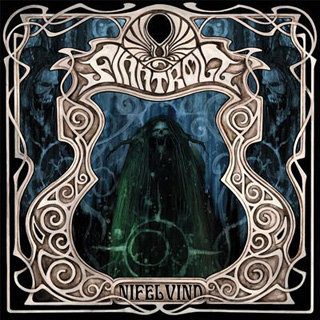
Finntroll – Nifelvind

March 18th, 2010 in CD/DVD, Reviews by Evan Berry

The trolls have returned from the depths of the Finnish swamps, releasing their most wicked and whimsical offering yet. Nifelvind surely packs in more variety and pure insanity into their clearly defined and positively infecting sound. Since their debut, Finntroll has always cleared their own path in the realm of the vast folk metal scene, incorporating their native style of Humppa music into the brutality of heavy metal. Nifelvind continues this sound, but begins to expand more boundaries than any of its predecessors.

On Nifelvind, we begin to hear sounds and influences rarely present on past releases. After a familiar and epic orchestral introduction, the album kicks into the start of the first metal track, ‘Solsagan.’ Immediately, a darker and more death metal influence is obvious, letting the keyboards and catchy sing-along melodies drop out completely. But devoted fans of the old Finntroll need not fret, for as soon as they are missed, the keyboards enter right back in with a bouncy, brass and string filled accompaniment. Once the chorus enters, the classic and contagious melodies of the Finntroll we love are recalled.

Finntroll began to explore the darker side of their music on their previous release, Ur Jordens Djup, and this exploration is continued and expanded on Nifelvind. As keyboardist and lead composer Henri ‘Trollhorn’ Sorvali states: ‘It’s probably the heaviest album we’ve done… I could pretty much safely say this sounds like a meaner and more wicked version of Ur Jordens Djup with an occasional hint of the first album.’ From the furious blast beats of ‘Fornfamnad’ to the pounding double bass of ‘I Tradens Sang,’ Finntroll’s black and death metal influences have never been more prominent.

It’s not only the guitars and drums that lend themselves to the darkness of Nifelvind. The variety of instrumentation is more eclectic than any other Finntroll release. Banjos, marimbas, fiddles, and a collection of various percussion instruments are just a few of the instruments that intertwine themselves inside Finntroll’s wild compositions. Just listen to the spastic ‘Under Bergets Rot’ to hear an incredibly vast array of sound experimentation, and a simply brilliant use of a theremin. It’s tunes like these that prove that Finntroll is able to move out of the all-too-familiar realm of the current folk metal scene, and set themselves apart as an ever-changing and daring act.

This is not to say that the classic Finntroll sound is gone. Just listen to the folky ‘Ett Norrskensdad,’ which recalls the catchy, upbeat tunes from their previous releases ‘Nattfodd’ and ‘Jaktens Tid.’ With their newfound experimentation and improved production, these memorable tunes feel fresh and lively. They even have the guts to strip everything down to Scandinavian-tinged acoustic folk on the evocative ‘Galgasang.’

Nifelvind comes to a close with the epic and truly wicked ‘Drap’ (the Finnish word for ‘Manslaughter’) leaving a cold and twisted feeling in the listener as the album fades out on one of Finntroll’s eeriest riffs. The frivolous and fun atmosphere of Finntroll is certainly still present on Nifelvind, but with an even more devilish and evil atmosphere than ever before. This contrast of light and dark is what makes Nifelvind Finntroll’s most daring and gripping album to date – a disc that sucks its listeners deep into the dark depths of its wickedness.

God of War III: Blood & Metal EP

February 13th, 2010 in CD/DVD, Reviews by Chris Dingman

Release Date: March 2, 2010

If any game deserves to have a soundtrack written for it featuring some of today’s leading metal bands, that game is God of War III. Five years ago, the first God of War shattered the gaming world by incorporating everything awesome about action/adventure games into a cinematic gaming experience that pushed the PS2 to its technical limits and, more importantly, allowed players to brutalize their enemies in the most visceral ways imaginable. Now, Sony is poised to release God of War III, the first entry in the series to hit the PS3, and a host of Roadrunner Records artists are ready to reward the series’ dedication to the metal aesthetic by unveiling a six-song set of new music.

Guitar Messenger has had the opportunity to speak with Killswitch Engage, Trivium, Dream Theater and Opeth in the past, and so naturally takes an interest in hearing these bands in the fresh context of a video game album. Each band rises to the occasion in a unique way – some expanding on their recent work, and others taking the opportunity to explore new territory.

Killswitch Engage leads off with ‘My Obsession,’ a track that feels like a natural extension of the recent Killswitch Engage. The song starts with an open string pull-off motif that soon gives way to a riff onslaught worthy of a Kratos battle scene. Adam D. and company have set the bar high for their mixes and overall sound, and they maintain that standard with this track. In the song’s second half, they slow things down and breach new ground by adding a prominent texture that evokes Led Zeppelin’s ‘No Quarter’  – employing what sounds like a Leslie speaker to achieve a similar tremolo effect.

Trivium’s ‘Shattering The Skies Above’ brings things back up to ramming speed, with the blast beats and powerful drumming of recent addition Nick Augusto taking center stage throughout. Matt Heafy continues to improve his vocal chops on this recording, showcasing some of his best clean singing yet. The song features a cool breakdown in the middle section, but the predictable solo section is a missed opportunity to take the song to new heights. Afterwards though, Trivium give their memorable chorus new life by dropping it on two fresh grooves, and they finish strong with a return to the earlier breakdown.

‘Raw Dog’ is Dream Theater’s instrumental offering, and it begins with a grinding, fearsomely down-tuned riff that strays from the band’s usual style. This opening leads into a galloping section of mid-tempo thrash, followed by a riff in what sounds at first like the whole-tone scale (1-2-3-#4-#5-b7), but at times includes a natural 4th and a natural 6th. Petrucci makes good use of this unusual harmony with a memorable ornamented motif. After a ripping trade-off with keyboardist Jordan Rudess, he leads the band through a dizzying groove that harkens back to Systematic Chaos’ ‘The Dark Eternal Night.’ Dream Theater also deserves credit for referencing the God of War score when towards the end, in the reprise of the original riff, Rudess breaks out a choral patch that evokes the grand choruses used by Chris Velasco and other composers in the first game.

‘This Is Madness’ is an opportunity for newcomers Taking Dawn to make their mark on the metal world, which they take advantage of by delivering a ballsy slice of vintage-style metal. Thematically, they draw more on the story of the film 300 than on God of War’s lore, but the vibe is close enough that the song still fits in this collection. Their bridge pulls back on the tempo for a nice triplet feel, and leads into a memorable solo section that closes with bombastic vibrato and furious harmonics.

Opeth takes the biggest risk on the album with ‘Throat Of Winter,’ and listeners are rewarded with a song that’s grounded in a mesmerizing, shifting tonality that is likely to have people reaching for their Led Zeppelin LPs once again. The song  favors 12-string acoustics and percussion over distortion and drum kits, and is complemented by a rich production style that incorporates backwards guitar parts and, in a new move for the band, what sounds like lap steel. Keyboardist Per Wiberg also moves into new territory, by contributing moog leads that recall Yes’ Rick Wakeman alongside the usual Opeth textures. The journey ends with a section that lies somewhere between acoustic metal and flamenco – an interesting style which feels like a groovier elaboration on the ending of ‘Burden’ from Watershed.

The fresh-faced Mutiny Within turns out the album’s most epic number, ‘The End’ – which is impressive, considering that it’s also the shortest track of the six. With a jagged arpeggio riff up front during the verse, and prominent but tasteful keyboards in the intro and chorus, Mutiny Within wins points for their strong arrangement ideas and convincing vocals. In a bold production move, the band drops out after the second chorus, leaving a single guitar part buried underneath a filter and a layer of environmental sound effects.

The God of War: Blood & Metal EP is being released both as a standalone digital release, and as a bonus for purchasers of the God of War III Ultimate Edition, which includes other goodies such as an art book, and digital access to music from the games and a full-length documentary tracing the series’ history. God of War has always had tremendous appeal in the metal community, so it’s great to see the franchise capitalizing on that fact by offering something for those many fans. Followers of any of these bands will enjoy hearing the new music on display here.

Dark Tranquillity @ House Of Blues – Boston, MA

February 4th, 2010 in Concert, Reviews by Chris Dingman

Fans of melodic death metal were treated to some of Sweden’s finest when Dark Tranquillity took the stage at the House Of Blues in Boston for the first date of their new tour. For the next month and a half, the metal legends will be trekking through North America in support of their forthcoming album We Are The Void (to be released on February 24th in Sweden and March 9th in North America), along with The Devil Wears Prada and metalcore icons Killswitch Engage.

Dark Tranquillity began the evening by pumping up the crowd with the hook-laden ‘Terminus (Where Death Is Most Alive)’ and the rousing ‘The Lesser Faith’ before launching into a crushing rendition of ‘Dream Oblivion’ from We Are The Void. At the front of the stage, the terrific riff interplay of guitarists Martin Henriksson and Niklas Sundin provided the foundation for vocalist Mikael Stanne to engage the audience with his spirited stage presence. Dark Tranquillity thrilled dedicated fans by revisiting older tracks like ‘White Noise/Black Silence’ as well as ‘The Endless Feed’ – one of their most dynamic and intricately crafted songs. ‘The Endless Feed’ would have benefited from a mix that highlighted Martin Brändström’s keyboards, but Stanne’s nuanced growls and the seamlessly shifting grooves of drummer Anders Jivarp and bassist Daniel Antonsson helped make this a standout track of the night.

All too soon, the band reached their final song, ‘Final Resistance,’ and graciously left the Boston stage to The Devil Wears Prada and headliners Killswitch Engage, who bested technical difficulties to perform an excellent show to an enthusiastic hometown crowd. Here’s hoping that this tour brings Killswitch fans into Dark Tranquillity‘s mighty fold and into the venues when the Swedish band returns for their own headlining tour later this year.

Katatonia – Night Is The New Day

January 14th, 2010 in CD/DVD, Reviews by Chris Dingman

Release Dates: November 2, 2009 (Europe)/November 10, 2009 (North America)

Katatonia have been honing their brooding brand of rock for years. Originally formed as a doom metal band in 1991, the group began to shift direction after several albums as singer Jonas Renske began to employ clean vocals in place of growls. With transitional support from Opeth’s Mikael Akerfeldt, who performed the extreme vocals on 1996’s Brave Murder Day and 1997’s Sounds Of Decay, Katatonia started exploring the bleak, atmospheric recesses of rock – a journey that has led to 2009’s outstanding Night Is The New Day.

From the foreboding opening chords of ‘Forsaker,’ the production on Night Is The New Day distinguishes it from its predecessors. Over the course of five albums on Peaceville Records, Katatonia’s recorded sound has steadily improved, and the rich, spacious soundscape achieved here is a great complement to the band’s melancholic style. The layered and tastefully harmonized vocals are always at the forefront of the mix, and each instrument sits comfortably in a supporting role  – easy to identify and smoothly blended into a blanket of reverb and ambience as in the reflective “Inheritance,” and the subdued grooves of ‘Onward Into Battle.’ The sound can be aggressive, too, as on the lead single ‘Day and Then the Shade,’ which opens with a guttural guitar riff supported by hammering drums and a driving synth.

As terrific as the album sounds, the real success of Night Is The New Day can be attributed to its consistency – the band explore metal, folk, and ambient electronic all while maintaining a beautifully bleak mood. Most albums with such a pervasive musical and lyrical theme fail to deliver distinct songs, but Katatonia craft such strong hooks that the insistent ‘The Longest Year’ and the sorrowful ‘The Promise Of Deceit’ become lodged in memory after the first listen. Although guitarist Anders Nyström’s playing rarely takes center stage, he guides the songs with propulsive riffs that alternately batter and jangle, and lays back masterfully with lush chord swells – often during the course of a single track, as in ‘Liberation.’

Collaborator Frank Default, whose tasteful textures and synthesized beats help Katatonia achieve this album’s intimate atmosphere, makes only one misstep when his string samples, which sound excellent in a full band mix, take center stage in the middle section of ‘Inheritance.’ In contrast, his parts during the quiet verse of ‘Nephilim’ keep the song eerie throughout by allowing the dissonances of the chorus to softly seep into the seams of the track. Elsewhere, he adds electronic grooves to the verse of ‘The Longest Year’ and shimmering flourishes to the hammering riffs in the chorus of ‘Forsaker’ to great effect.

The Vinyl and Swedish CD Editions of the album contain the bonus track ‘Ashen,’ which sits between ‘Day and Then the Shade’ and the closing ‘Departer,’ and adds so much energy to the flow of the album that its absence in other versions is a definite loss. With a disorienting verse, punishing pre-chorus and anthemic chorus, ‘Ashen’ is a standout track that deserves to be heard by Katatonia fans worldwide. It is a testament to the strength of the album that even without that track, it still feels like a complete journey. Those who appreciate a well-guided tour of the darker side of emotion will enjoy Night Is The New Day.

Overall: 5/5

Richie Kotzen – Peace Sign

November 10th, 2009 in CD/DVD, Reviews by Chris Dingman

Richie Kotzen - Peace SignRelease Date: September 9, 2009

Richie Kotzen’s latest offering, Peace Sign, once again showcases the distinctive blend of styles that has won the virtuoso guitarist fans worldwide. The twelve-track album is divided into three equal sections: rock, soul/funk, and pop balladry. Because of the album’s track sequencing, it starts very strong, though the flow drags during the four ballads that close the disc. Kotzen’s choice of tones further distinguishes the styles, from the thunderous single-coil sound that opens ‘Long Way From Home’ and the angry saturation of his ‘My Messiah’ rhythms, to the buzzy riff tones on ‘We’re All Famous’ and ‘Your Entertainer.’ Acoustic guitar is the most obvious addition to his sound on the ballads, and Kotzen complements it with jangly rhythm tones on ‘Catch Up To Me’ and warm leads on ‘Larger Than Life.’

Kotzen’s songwriting shines on tracks like the driving opener ‘My Messiah,’ the insistently funky ‘Your Entertainer’ and the soul-bearing ‘Catch Up To Me,’ where his impassioned vocals sell the song’s confessional lyrics. His guitar playing strikes a great balance between soulful phrasing and fretboard melting in the solos on ‘Best Of Times’ and ‘Lie To Me,’ where he finds the best pockets in the groove to start phrases and dig into bends. Kotzen takes his most interesting solo on the album during ‘You Got Me’ – using a less saturated, twangier tone, he slips in and around the beat with his most lyrical playing, making colorful note choices and saving a brilliant blast of speed for the final phrase.

Overall: 4/5

Jeff Beck @ House Of Blues – Boston, MA

April 13th, 2009 in Concert, Reviews by Chris Dingman

Jeff Beck - by Ivan ChopikVisits from Jeff Beck are cause for celebration – not only because these visits are so infrequent, or even because Beck was one of three noted guitarists to emerge from Britain’s legendary Yardbirds in the 60’s. Ever since he came into the public eye, Beck has been pushing the boundaries of rock guitar playing in general, and the limitations of the Strat in particular. Beck takes harmonic and whammy bar techniques that many players use as effects, and creates full, expressive melodic lines with them. He also controls his volume knob with authority, by using smooth swells on melodies along to expand their dynamic range. This, coupled with Beck’s preference for fingers over picks, gives Beck a command of his instrument that allows him tremendous room for expression.

The musical context that surrounds his playing has changed with the times – hard rock in the 60’s, funky fusion in the 70’s, synthesized dance music in the 80’s and loop-based techno in the 90’s into the new millennium – but Beck’s basic style has not changed as much as it has evolved. While other players have surpassed Beck in speed, few can match his dynamic control and sheer range of expressive techniques. Beck has spent his time in the woodshed finding ways to create new sounds with his guitar, and create old sounds in new ways – and decades later he’s still at it. This year he was publicly recognized for his achievements by being inducted into the Rock and Roll Hall of Fame as a solo artist. Beck had been inducted before as a member of The Yarbirds in 1992, but now the world has officially given Beck credit for the unique and innovate style his fans have long appreciated.

When Jeff Beck walked onto the stage a few minutes after 8:45 at Boston’s new House Of Blues, he had the audience’s full attention without playing a single note. The main room of the House Of Blues was filled to capacity, having sold out weeks in advance. Many in the crowd were of the age to have grown up with Beck’s music, but many of them brought children with them, and a respectable piece of the audience consisted of young musicians eager for the opportunity to experience Beck’s legendary playing firsthand.

As soon as he burst into the triumphant ‘Beck’s Bolero,’ the older members of the crowd burst into enthusiastic cheers, recognizing the classic track from the Jeff Beck Group’s first album Truth. Beck’s stage presence was typically focused, but engaged – he gratefully acknowledged the roomful of fans, but kept most of his energy on performing his demanding lines. There were moments when Beck became visibly excited on stage, as he did during an explosive rendition of his live staple ‘Brush With The Blues.’ In recent years, Beck has been opening the song with part of his interpretation of the jazz standard ‘Goodbye Pork Pie Hat,’ so the audience knew what to expect when they heard the famous strains of Mingus’ melody. Beck built it slowly from a quiet blues, gradually increasing the volume and intensity of the song’s head until it reached the solo section, where he burst into passionate flailing that left his audience emotionally exhausted.

Jeff Beck 2 - by Ivan ChopikBeck and his current band of Tal Wilkenfeld on bass, Jason Rebello on keys and Vinnie Colaiuta on drums laid the groove down hard on tracks like the reggae-inspired ‘Behind The Veil.’ Beck locked in with his band and delivered the song’s snappy and syncopated theme with energy to spare, and when it came time for the bridge’s soaring melody, his Strat positively screamed with barely controlled feedback. Although Beck often prefers to use his whammy bar for melodies that most would execute with a slide, he does break out a slide for key portions of his songs. ‘Angel (Footsteps)’ is played almost entirely with a slide, and Boston received an amazing rendition of this hypnotic melody. Beck’s intonation was spot on, and remained so even after the solo section, when he placed his slide above the frets entirely to play the refrain in a piercing octave. Against the song’s spacey backdrop, Beck’s liquid line was transcendent.

The Nitin Sawhney composition ‘Nadia’ that Beck has been favoring in recent live sets had him interpreting the beautiful melody with volume swells and smooth dips of his whammy bar. Beck looked and sounded like he felt every note of the song, right up to its climax, when he gently rolled his volume up on one repeating, plaintive note. Beck had more trouble with the graceful ‘Where Were You.’ The brief ballad, with Beck playing rubato accompanied by Rebello’s soft synth pads, features one of Beck’s most challenging melodies. The tune itself is simple, but in addition to Beck’s usual and tasteful volume knob treatment, the melody involves an array of natural harmonics that Beck turns into melodies. To do this, he sounds the harmonic, and raises and depresses his whammy bar to the exact pitches of the melody. Sounding the harmonics and manipulating the bar to specific pitches are both challenging techniques, and smoothly fitting the dynamics of those unusual techniques into the melody is another task in itself. Beck struggled with some of the harmonics, and his pitches with the whammy bar were not always in tune, but nonetheless his performance was bold and earnest.

Since the late 90’s, Beck has been playing a lively instrumental arrangement of the Beatles’ ‘A Day In The Life,’ and his performance of it that night was one of the highlights of the show. The song gave Beck the opportunity to hit fierce and loud, and quickly break into a gentle, lilting melody – and he took amazing advantage of both extremes. Beck’s band was with him for every dynamic switch, helping him prove that a guitar in the right hands can be every bit as expressive as the human voice.

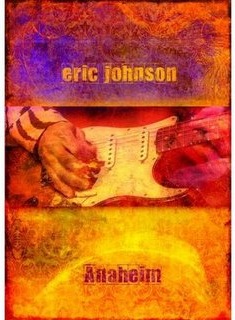
Eric Johnson – Anaheim DVD

March 18th, 2009 in CD/DVD, Reviews by Chris Dingman

Release Date : November 11, 2008

Eric Johnson - Anaheim DVD

As any Eric Johnson fan knows, a new release from the legendary Texan is cause for celebration. A guitarist known for his lush array of tones as much as for his articulate, fretboard-scaling lines, Johnson also possesses one of the most discerning ears in the business, and as his own producer chooses only the best of his material to release to the public. This uncompromising standard has applied not only to Johnson’s studio albums, but to his live video releases, as well – his famous 1988 appearance on PBS’ Austin City Limits was released on home video as recently as 2005. However, with his latest release, Anaheim, filmed for HDNet as recently as May 3 of 2006, he seems to have found a way to accelerate his editing without sacrificing audio quality.

After the mesmerizing animated menu intro, Anaheim opens with a roar of hammering Hendrix-like fuzz before Johnson kicks his band into the driving ‘Summer Jam.’ The trio of Johnson on guitar, Chris Maresh on bass and Tommy Taylor on drums sound huge from the start and the shifting, insistent groove of ‘Summer Jam’ makes for an energizing opener.

As the first song ends, they waste no time in introducing a heavily reworked cover of Bob Dylan’s ‘My Back Pages,’ which is recognizable only by traces of the original lyrics and vocal melodies. Johnson’s interpretation features a host of terrific chord voicings underneath the verses, and some interesting re-arrangements of the song form – including the transformation of one verse into a bridge and the addition of blazing solo sections in-between each verse. Johnson gives a strong vocal performance on this track, and Taylor’s drumming is furious and rock steady from the first kick.

Other highlights include an inspired performance of the anthemic ‘Trademark’ that features a few of Johnson’s amazing clean tones, as well as some of his more surprising playing – he uses a few chromatic approach chords throughout the song that most fans won’t be expecting, as well as a completely outside line in the solo that, whether intentionally or not, he plays with such confidence and resolves so cleanly that it simply works. Maresh’s bass tone is rich and ideal for this track, especially when he kicks in the distortion and heads over to his amp to ignite some righteous feedback.

The bubbly country western tune ‘On The Way To Love’ highlights even more sparkling Strat cleans, and the calmer guitars give Taylor room to drive the tune with the sound of his tightly tuned kit. Another pleasant surprise is the Maresh-penned rock/fusion epic ‘Rocktopus.’ Johnson’s riffs have never sounded as heavy as they do on this track, and the trio sound monstrously tight through the song’s many changes of pace as well as its groovier moments.

Anaheim also shows a very different side of Johnson than has been seen on previous concert videos – a playful side that seems to be having a terrific amount of fun on stage. This energetic stage presence is especially evident in Johnson’s rocked-out cover of The Monkees’ ‘A Little Bit Me, A Little Bit You,’ where Johnson runs around, grinning, and dances over to his amp to produce feedback. Pushing his boundaries one step farther, Johnson sets down his Strat, and begins the extended intro to his iconic ‘Cliffs Of Dover’ on a Gibson SG. The lush, voice-led chords in the first few minutes of the solo sound amazing, and the novelty of seeing him play ‘Cliffs Of Dover’ on a guitar besides his Strat only becomes more fascinating as he builds anticipation for the song’s opening runs. When he finally does, his tone is searing and his performance, from the famous melody to the blistering solo, is inspiring.

The DVD isn’t without its faults, though. Though filmed in HD and presented in a widescreen ratio, the video on the disc is noticeably compressed and non-anamorphic, so on widescreen displays the picture only takes up the width of a standard 4:3 display with black bars on the sides as well as the top and bottom. This can be remedied by using the zoom feature on your monitor or DVD player, but it results in some image distortion, which is regrettable, since the concert is so nicely filmed. Fortunately, Anaheim sounds fantastic – the mix is rich and clear. Rarely do a trio take up as much sonic space as this one – with Johnson’s broad chord voicings, Maresh’s towering and sometimes aggressive tone, and Taylor’s relentlessly powerful drumming, the sound of a keyboard or a second guitar is rarely missed throughout this terrific set.

The set is also short, coming in at around 50 minutes, and while it stands up well to multiple viewings, it would have been nice to get a longer performance. To give Eric Johnson fans a little more for their money, the DVD also includes part of a nice Harmony Central interview with Johnson, and three songs shot on his Acoustic Guitar and Piano tour. Johnson proves himself to be an accomplished pianist by accompanying himself on a jazzy version of Hendrix’s ‘The Wind Cries Mary,’ and running through a stripped-down version of his own ballad, the beautiful ‘Song For Lynette.’ Nestled between those two is a solo acoustic guitar performance of Johnson’s rustic ‘Song For George.’ These songs are filmed with less glamour than the well-produced main show, but that does little to detract from the intimate charm of these one-man arrangements.

Despite some technical flaws, Anaheim is well worth purchasing for fans of Eric Johnson’s eclectic music, as well as for guitar buffs eager for another opportunity to watch his incredible fingers in action. Like Austin City Limits before it, the camera work here affords the viewer plenty of opportunities to study Johnson’s unique style, though it will take many plays to absorb everything he plays. Anaheim is a great document of a vital and distinctive artist who is trying new things, and who seems to love his craft now more than ever.

Overall: 4.5/5

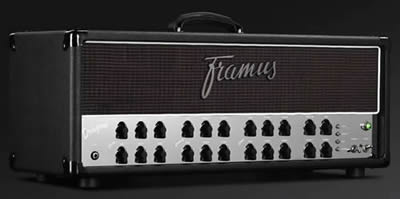
Framus Dragon Head & Cabinet

January 10th, 2009 in Gear, Reviews by Ivan Chopik

Framus Dragon HeadThe appropriately-named Framus Dragon is indeed a fire-breathing beast. It’s a versatile 3-channel boutique amp that can deliver a range of tones, from sparkly cleans, to brutal rhythms, to soaring leads. It definitely has a very organic, punchy sound to it, as well as very nice natural compression, especially when paired with the accompanying cab. I specifically acquired this half-stack for use in heavy rock and metal styles, and its sound is geared very nicely towards this. Like other amps used in these genres, it can be very brutal sounding with its tight low-end, but it’s refreshing to hear an amp that can combine the heaviness with an open-sounding and warm tone as well.

I won’t talk too much more about the sound, but let you hear a bit for yourself in the video I recorded below. Keep in mind that this was recorded with just the camera microphone, that the file was compressed for online use, and that the amp was played at relatively low volumes (as we know, tube amps thrive with the volume pushed high). Nevertheless, it should give you an idea of some of the tonal characteristics of this half-stack. I will also discuss some of its main features.

Get the Flash Player to see this player.

I’ve owned the half stack for over a year now and have used it at a number of gigs and in the studio. Thus far, I’ve had no reliability issues with it. As a matter of fact, tonewise I’ve found it to be much more consistent than my previous tube amps, which could sound one way one day and then sound different the next with the same exact settings and axe.

As far as sturdiness goes, everything has held up well though I have had to pay some attention to the casters (wheels) before. The cool thing about the casters is that they can just be pulled out so you could set the cab flat on the ground. The downside is that the mechanism does wear down after some time and the wheels come out easier than you might like them to.

As mentioned in the video, one of the cool and unique features of the head is its MIDI capabilities. It’s great for integration into a MIDI controller, where you can combine the channel and master 1/2 swtiching capabilities with the controls of other gear, such as rack effect processors. For example, you could potentially have a setup where with the push of one button you can switch from a clean sound with slight chorus and reverb, to a lead tone with delays. The Framus Dragon’s MIDI feature makes such a setup much easier to achieve.

Framus Dragon CabSpecs:

A 3-Channel, 100-watt, all-tube amp head. Each of the 3 channels Clean, Crunch and Lead has a 3-band equalizer as well as Gain, Volume and Presence controls. It also comes with an effects loop, an integrated MIDI interface, two switchable Master volumes, a Deep control, and speaker impedance settings of 4, 8 and 16 ohms.

  • 100 watts all-tube amp
  • Valves: 5x ECC 83 by JJ, 4x EL 34 by Electro Harmonix (selected quartet)
  • 3 channels (Clean, Crunch and Lead)
  • Gain, Bass, Middle, Treble and Presence controls for each channel
  • Parallel effects loop
  • Deep control
  • Master 1 and 2, switchable
  • Integrated MIDI interface
  • 4, 8 and 16 ohms speaker output impedance, switchable
  • Weight: 20 kg
  • Dimensions (W/H/D): 0,72 x 0,28 x 0,26 m
  • Made in Germany

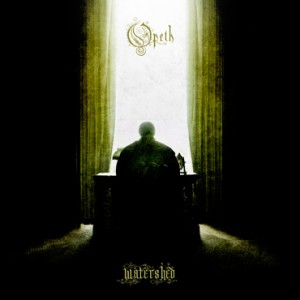
Opeth – Watershed

July 16th, 2008 in CD/DVD, Reviews by Chris Dingman

Opeth - WatershedRelease Date: June 3, 2008

With each album Opeth have released since their first album in 1995, they have been perfecting their combination of extreme metal’s brutality and progressive rock’s complex song structures and harmonies. Singer, guitarist, and mastermind Mikael Åkerfeldt’s band first attracted the attention of the broader metal community with 2001’s Blackwater Park, which benefited from the producing expertise of Porcupine Tree’s Steven Wilson – who finally gave Opeth’s rich music the sonic power it deserved. With Wilson’s help, Opeth explored and expanded the mellower side of their sound on 2003’s Damnation, after becoming heavier than ever on parts of 2002’s Deliverance. On 2005’s Ghost Reveries, with the addition of keyboardist Per Wiberg, Opeth incorporated the newly improved extremes of their style into a well-realized whole.

On Watershed, Opeth take the path they traveled on Ghost Reveries and stretch it out in every direction – further integrating keyboardist Per Wiberg, as well as two members who have joined since the last album: guitarist Fredrik Åkesson and drummer Martin Axenrot. Additionally, they incorporate small woodwind and string sections into the music – a decision that mirrors the unorthodox approach to songwriting Opeth take on Watershed, the band’s most diverse and experimental album yet.

‘Coil’ immediately draws you into Opeth’s world with a series of haunting, softly dissonant chords that set the stage for Åkerfeldt’s mournful vocals. Spicing up the main theme of this short opener are some beautiful bass lines courtesy of Martin Mendez, and a striking wind arrangement that brightens the song’s chorus. Answering Åkerfeldt’s verse is a beautiful female voice provided by Axenrot’s girlfriend Nathalie Lorichs – another surprising first for the band, who until now have only featured their former producer Steven Wilson as a guest vocalist.

‘Heir Apparent’ opens like a slow-groove version of ‘Deliverance’ – a staple of Opeth’s live shows and the most mosh-inspiring song the band has ever written. This song features one of the most intricate and fist-pumping riffs Opeth have ever devised, which serves as a backdrop for both the furious drumming of Axenrot as well as a tastefully demented solo from Åkesson. The low E string has never sounded heavier. There are several quiet sections in ‘Heir Apparent,’ but they feel less like a break from the violence and more like the soundtrack to a psychotic nightmare. Just when you think that the song has escalated to its frenzied peak, it gives way to a majestic groove featuring one of Åkerfeldt’s most somber and memorable melodies.

‘Lotus Eater’ begins with a jazzy bit of humming, and becomes more unusual once the metal kicks in. Featuring a dreamlike melody that is violently supported by Axenrot’s blast beats, this recurring riff is not the strangest part of the song. Nor is the jarring clean section that follows, which feels like a brief but disturbing descent into madness. No, the strangest section is what can best be described as creepy progressive funk featuring Wiberg – it’s weird, and it’s grooving, too. ‘Lotus Eater’ covers a lot of new ground in just under nine minutes, though it also features some vintage Opeth grooves and a soaring Åkerfeldt solo. Most importantly, everything in the song fits and flows surprisingly well.

‘Burden’ feels like the soft spot of the album from Wiberg’s delicate first chords, which are soon joined by a soft Åkerfeldt solo that would have been at home in Damnation’s introspective ‘Hope Leaves.’ Just when it seems that Opeth are about to revisit the sad beauty of that album, Åkerfeldt kicks in with his strongest clean vocals to date, and Opeth’s first rock power ballad begins in earnest. The song plays out the way you’d expect an Opeth power ballad to, as strange as that feels to say – the verse winds through a melancholy chord progression, and the chorus is punctuated by dramatic Åkesson mini-solos. Breaking up the familiar form are some stellar solo sections: first a positively rocking organ solo from Wiberg, and then an exciting trade-off between Åkerfeldt and Åkesson that ends in a dual-guitar harmony that’s vintage Åkerfeldt. The ending, though, is where ‘Burden’ really feels like a part of Watershed. It starts out nicely enough with some pretty acoustic guitar work, but quickly becomes a showcase for some of the band’s most unusual alternate tunings.

‘Porcelain Heart’ works best as a showcase for Axenrot’s diverse drumming. His playing on the opening theme moves through several distinct stages, and does a great job of building tension. The galloping riff that comes in midway through the song develops nicely with harmonized vocals and great drumming from Axenrot, but it feels out of place with the opening section and the eerie acoustic verses. Both times that the riff appears in the song, the transitions around it feel unnatural – which is surprising coming from a band that normally does such a great job of blending drastically different elements into a single song. It’s particularly unfortunate that the parts don’t mesh, as most of them are terrific on their own.

‘Hessian Peel’ brings back the excellent dynamic flow that Opeth fans have come to expect. In less than twelve minutes, the song moves smoothly between upbeat sections of sorrowful acoustic guitars and dissonant onslaughts of screaming, and features a grooving acoustic riff that’s accompanied by clever drumming and a great string arrangement.The final moments of the track are some of the darkest and most unsettling yet on an album full of surprises.

‘Hex Omega’ steals the show by concisely combining the experimental spirit of Watershed with Opeth’s riff-oriented songwriting style. As a result, the song is filled with haunting vocal melodies and fantastic riffs, both delivered with an epic sense of atmosphere. The trudging riff that closes the song is a dramatic finish for the most progressive album Opeth have recorded yet.

As always, Åkerfeldt’s vision ensures that the music flows together to form a coherent album. As a whole, Watershed leaves you feeling satisfied, but the individual songs don’t always feel as connected as they have on past efforts. The album’s shorter and less frequently repeated song sections are partly responsible for making the tracks harder to grab onto, and it makes the album less focused on groove than past efforts have been. The moments that do linger after the first listen are infectious, particularly those in ‘Heir Apparent, ‘Hex Omega,’ and the sweeping ‘Burden,’ and listeners who invest time in Watershed will be rewarded with a musically rich album. It’s great to see a band with a winning formula continue to mix it up, and Opeth have never sounded fresher or more daring than they do here. In fact, on this album even more than on Ghost Reveries, the band lean more towards progressive rock than they do towards metal, which makes for some impressive song structures and many bizarre moments that test the listener’s grasp on sanity.

All of this experimentation makes Watershed an exciting album for Opeth fans – as well as prog fans with a stomach for heaviness, and metal fans with a taste for the unusual. Opeth’s track record of persistently pushing boundaries suggests that they haven’t made their ultimate album yet, which means that their listeners have a lot to look forward to. Underneath the new flavors, the beauty and brutality that have always driven Opeth’s sound live on in Watershed.

Overall: 4.5/5

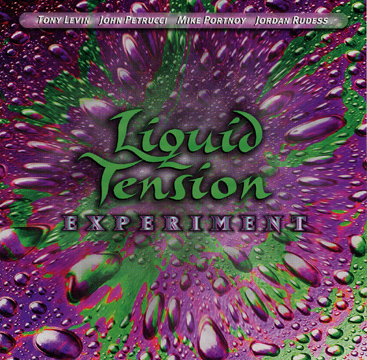
Liquid Tension Experiment @ B.B. King’s Blues Club – New York, NY

June 23rd, 2008 in Concert, Reviews by Chris Dingman

Liquid Tension ExperimentAfter 10 years, Liquid Tension Experiment fans finally get what they want: another tour. Ever since Dream Theater’s drummer Mike Portnoy and guitarist John Petrucci recorded two largely improvised albums in 1998 and 1999 with bassist Tony Levin and keyboardist Jordan Rudess, fans have been clamoring for more LTE. The quartet made four concert appearances in 1999, including a brief performance at the Winter NAMM that was filmed by an enthusiastic audience member, and has since been shared broadly enough to whet the appetites of the Internet community. When Petrucci and Portnoy decided that they wanted Rudess in Dream Theater, Portnoy reasoned that since 3 of 4 members in LTE were now in Dream Theater, the supergroup was finished. Since then, Dream Theater’s instrumental side project has been on an indefinite hiatus, with the exception of last year’s Spontaneous Combustion – a collection of jams between Levin, Portnoy, and Rudess recorded during the Liquid Tension Experiment 2 sessions, while Petrucci’s wife was giving birth. But de facto bandleader Portnoy has always been a fan of anniversary celebrations, and this year is the 10th anniversary of LTE’s first album. In celebration, the band are rewarding their loyal fans with 6 concerts this June.

Liquid Tension Experiment took the stage to find the floor of the homey B.B. King’s packed tightly with fans eager to finally see their favorite songs in action. LTE kicked the evening off with one of those tracks – the burning ‘Acid Rain.’ Petrucci’s 7-string sounded positively monstrous on the opening riff, and he and Rudess ripped through their famous unisons with energy to spare. Petrucci’s solo was extended beyond its generous studio length, and sounded mostly improvised. Hearing him wail so freely over ‘Acid Rain’ was a thrill, since he tends to perform his composed Dream Theater solos almost exactly as they were recorded. It’s impressive that LTE chose to begin their lengthy set with ‘Acid Rain’ – a song that the band claimed in 1999 was too exhausting to play as anything other than a closer.

Liquid Tension Experiment - BB KingsKindred Spirits’ was terrific, and dampened only slightly by Petrucci’s half-step misfret near the end of his soulful solo – which is the only mistake I remember noticing during the entire 130-minute show. After Rudess finished his wild solo, Portnoy’s increasingly energetic drumming during Petrucci and Rudess’ final unison brought the song to a thrilling conclusion. Here again and throughout the show, the band extended solo sections beyond their normal length and even added new ones – an approach that was very much in the improvisational spirit of LTE, since both of their albums were written quickly and spontaneously. These live solos turned out better than the recorded originals almost every time.

The band then got into more progressive territory, with the mini-epics ‘Biaxident’ and ‘Freedom Of Speech.’ ‘Biaxident’ was played beautifully at the NAMM show in 1999, so fans who follow bootleg videos have already had the chance to see the band play it second-hand. However, no bootleg can match the experience of seeing them pull off the song’s many changes with such deft skill live. The groovy middle-section was especially spirited, and Petrucci’s tone for his solo was pleasingly silky. ‘Freedom Of Speech’ was the real thrill of the two, though, with its hard-hitting jams ended by one of the band’s prettiest melodies. Petrucci’s well-developed solo near the beginning of the song has always been a favorite – picking up steam by building on the song’s triumphant melody and taking it through a lengthy chord progression. He performed it expertly, from its intricate, cascading slides to the string-bending anticipations. The slowly intensifying jam that followed the solo was also riveting – showcasing excellent communication and dynamic control within the band, and some fantastic groove development from Portnoy.

Liquid Tension Experiment - John PetrucciThe band led into ‘Another Dimension’ with a meandering jam that was interesting, but not too compelling. It worked well as an intro, and played around with some of the themes from the upcoming song, but the audience was glad to hear Levin’s familiar Chapman Stick line signal the beginning of ‘Another Dimension.’ The song is heavy on the album, but live it was mosh-worthy. Of course, true moshing wasn’t an option for a packed crowd of prog rock analysts, but they did engage in a respectable amount of head banging! The song’s dizzying changes didn’t slow the band down at all, except during Rudess’ tasteful accordion solo, where the rest of the band had a chance to lay back a bit. The screaming finale was nothing short of absolute metal – Portnoy pummeled his set while Levin and Petrucci escalated their riffs higher and higher, leading to a final dominating chug.

Levin and Portnoy left the stage briefly to let Petrucci and Rudess slow things down for ‘State Of Grace.’ Without Portnoy laying down the groove, the duo phrased a bit loosely, but still delivered a sensitive ballad that allowed Petrucci to stretch out with some expressive soloing. The rhythm section joined the pair back up on stage and burst into ‘Universal Mind’ – a track famous for the high-speed guitar/keyboard unison arpeggio that opens the song. Most guitarists would play this arpeggio using the efficient sweep-picking technique, but not Petrucci. He alternate picked his way through it almost perfectly, in the intro and every time it appeared later in the song. The song also features a terrific trade-off jam between Petrucci and Rudess, which at this show included solos both familiar and fresh. Towards the end of the piece, Rudess took a brief but fantastic keyboard solo; similar to the one he played in the same place during this song at the NAMM show in 1999.

After a jam that was much more experimental than the first, and saw the band getting into some strange tonalities, they segued smoothly into a prog reworking of Gershwin’s ‘Rhapsody In Blue.’ The conversion worked startlingly well, and featured some terrific solo sections – again featuring a rocking solo from Petrucci that sounded very spontaneous. This new piece was almost the highlight of the night, topped only by the next song: the epic ‘When The Water Breaks.’ As soon as Portnoy announced that they had one more big song for the night, the audience breathed a sigh of relief.

Liquid Tension Experiment - John Petrucci 2‘When The Water Breaks’ ranks as one of LTE’s best and most diverse compositions, and the band’s performance of it was near perfect. The song began with a lullaby intro from Rudess, followed by a frantic mechanical riff and a fiery guitar melody that gave way to a dreamy groove featuring another infectious guitar theme from Petrucci – all executed with liquid tones and apparent ease. That was all in the first four minutes of the tune, which later provided explosive solo sections on a bed of heavy rock grooves. The band’s tight rendition of this opus was stunning – they held together just as well during the dynamic jams as they did during the song’s many breakneck transitions.

Having already exceeded the expectations of most reasonable fans, the full band departed for a moment before bringing Levin back onto the stage for a brief but very tasteful solo spot. As the rest of LTE reemerged, the familiar vamp of ‘Osmosis’ was filled in with guitar, keyboard and drums. Before the song could develop into the winding, layered groove it becomes on the album, LTE burst into the rapid-fire opening of ‘Paradigm Shift.’ That the band still had the energy to pull off the relentless first moments of that song after playing for 2 hours straight is astonishing (not to mention that they would repeat the entire show for the second set of the night!). The entire song was a highlight of chunky rock riffs and sexy grooves that featured an amazing performance of one of Petrucci’s best-developed and most dramatic solos.

The band spent a moment looking out into the crowd and bowing to their many fans, before eagerly leaving the stage to get rested for the lengthy concert they were scheduled to play in little over an hour. LTE fans without tickets to the 11:30 show filtered slowly out of the downstairs club while the hardest of the hardcore mingled by the bar. Portnoy has recently suggested that he’d be open to recording another album with LTE, and the band seemed to enjoy playing this music again – lighting up especially during their arrangement of ‘Rhapsody In Blue.’ Judging by the reception that fans gave them in New York, the world is ready for more Liquid Tension Experiment.

Setlist

Acid Rain
Kindred Spirits
Biaxident
Freedom Of Speech
Improv Jam ->
Another Dimension
State Of Grace
Universal Mind (w/ Keyboard Solo)
Improv Jam ->
Rhapsody In Blue
When The Water Breaks
-Encore-
Osmosis ->
Paradigm Shift

Progressive Nation 2008 @ Fillmore – Miami Beach, FL

May 30th, 2008 in Concert, Reviews by Chris Dingman

Progressive rock luminaries Dream Theater founded the Progressive Nation tour this year in an effort to bring together some of the genre’s most exciting acts. Swedish progressive metal band Opeth was given second billing on the tour, with the newer bands 3 and Between The Buried And Me opening the shows. Progressive rock bands are famous for defying trends and focusing on musicianship, but at the Fillmore in Miami Beach on May 30th, the headlining acts of Progressive Nation proved that they could defy technical difficulties as well, with their professionalism and performances.

Tommy Rogers of Between The Buried And Me

Tommy Rogers of Between the Buried and Me

3 formed in the 90’s, but have been taking off and turning heads in the progressive community in the last few years. The band began the evening with an energetic performance and a gripping stage presence. I was pleasantly surprised with the clarity of the mix in Miami, as I had also attended the concert in D.C. on May 26th, where the mix for the opening bands had been muddy and heavy on bass – making it difficult to hear the guitars and vocals.

Front man Joey Eppard delivered distinct and inflective upper-register vocals, and played his acoustic and even his electric guitar with his fingers, resulting in some extraordinary solos. 3’s drummer Chris Gartmann and percussionist Joe Stote shared a great duet late in the set, showcasing some incredible coordination and drawing a terrific response from the audience. As the band members quickly packed up their gear, 3 left the growing crowd hungry for more.

After a few short minutes, the youngest band on the bill, Between The Buried And Me, came out and kept the energy level high with their heavy brand of prog. Just as with 3, the sound for this band was also cleaner than it had been at the D.C. show, and the music came across much better as a result. Their songs were full of quick transitions and time changes, which they executed with apparent ease.

Keyboard player and vocalist Tommy Rogers mostly screamed through the songs, easing confidently into melodies during the calmer moments of the music. His keyboard parts kept him back with the band much of the time, but whenever he wasn’t playing he came to the front of the stage and involved the audience more actively. Lead guitarist Paul Waggoner was fluid and tasteful, delivering impressive sweep arpeggios and tasteful melodic lines with equal precision. The marriage of progressive song structures and contemporary metal that Between The Buried And Me brought to the table provided some of the heaviest moments of the show, and served to wind up expectations even further for the headliners of the night.

Mikael Akerfeldt of Opeth

Mikael Akerfeldt of Opeth

By the time the banner sporting Opeth’s stylized ‘O’ was lowered onto the stage, fans were hungry for the band’s dynamic brand of progressive metal. Moments later, Opeth delivered – opening their set with the crowd-pleasing ‘Demon Of The Fall.’ Fredrik Åkesson, the newcomer who recently replaced Peter Lindgren on second guitar, proved himself to be an asset to Opeth’s live act with his aggressive playing and vicious head banging.

This was fortunate, since singer and guitarist Mikael Åkerfeldt had strained his neck the day before by attempting a sideways head thrashing (In Lenny Kravitz style, as he explained to the audience), and was unable to move his head much in any direction. He did, however, provide witty banter between songs, grabbing the audience’s attention with his deep voice and humble humor.

Near the end of their second song, Opeth’s performance was interrupted by the sudden descent of a giant curtain that cut Åkerfeldt, Åkesson, and bassist Mendez off from drummer Axenrot and keyboardist Per Wiberg. Impressively, Opeth finished the song without disruption, and anyone listening would have been unaware of the onstage intrusion until after the song had ended, when Åkerfeldt engaged the audience with his clever remarks about the situation.

Just before he began to lead the band in the next song, curtain be damned, they were pulled off the stage while the staff sorted out the technical difficulties. Roughly 20 minutes later, the band returned to the stage and quickly regained their momentum.

Martin Axenrot, who has been touring with Opeth since Martin Lopez departed in 2005, finally had a chance to perform music he recorded with the band when they brought out the punishing new track ‘Heir Apparent’ from their new album, Watershed. While Axenrot and Åkesson both sounded tight and played well throughout the show, they shone especially on ‘Heir Apparent,’ where Åkesson had a chance to perform his own wild guitar solo. After 60 minutes of music, fans were sorry to see Opeth go, but excited for the last performers of the night: Dream Theater.

John Petrucci of Dream Theater

John Petrucci of Dream Theater

Dream Theater burst onto the stage in front of a crowd that were already on their feet in anticipation. At the end of the intro video featuring highlights from the various periods of their career, Dream Theater kicked into the opening riff of the thrashing ‘Constant Motion’ – stirring the fans on the Fillmore floor into a frenzy. Unfortunately, this energy was disrupted when guitarist John Petrucci lost his sound in the middle of his solo. While he walked over to his amp to sort out the difficulty, drummer Mike Portnoy seized the attention of the room with a spirited drum spot, and cued keyboardist Jordan Rudess to take over with his solo. The band then smoothly transitioned back into the song once Petrucci regained his sound, and continued the show with fresh determination.

Critics in the past have complained that Dream Theater were a stiff and clinical band to watch live, although fans of the band have never been deterred by Dream Theater’s focused and precise performances. Portnoy has always been the exception as an energetic performer who seems to feed off the energy of the crowd, and this attitude appears to be rubbing off on his band mates. Petrucci in particular has begun to move around much more on stage, making eye contact with his band as well as with his devoted fans, especially during his many solos.

Vocalist James LaBrie has always connected well with audiences, but even he seemed to be particularly enthusiastic at the Fillmore that night, displaying a great amount of energy throughout the entire set. Considering the tour was nearing the end, it’s understandable that he was strained while performing some of the more physically demanding upper-register lines, but to his credit he found ways to adapt his parts when necessary to complement the songs. Rudess played brilliantly all night, especially lighting up the epic ‘Blind Faith’ with a polyphonic piano spot, a rocking organ solo, and a screaming synth lead – which he also put to use during a jaw-dropping unison line with Petrucci. The unison line was perfect to the recorded version, but Rudess’ solos showcased some refreshing improvisation that served to liven up an already exciting song choice.

Petrucci’s pick got ahead of his fretting hand during some of the fastest solo runs, but his attack was so aggressive that it was easy to ignore any slurred notes. It was also easy to forgive any imperfections of the night when he took his extended solo in ‘Surrounded’ – phrasing passionately over the changes to Marillion’s ‘Sugar Mice’ and throwing in quotes from Pink Floyd’s ‘Mother.’ His tone for that solo was warm and smooth, with just the right amount of delay. Across the stage from Petrucci, bassist John Myung’s lines shone through mightily, and his focused presence brought a stability that matched his musical role.

Mike Portnoy of Dream Theater

Mike Portnoy of Dream Theater

Some fans always like to grumble about Mike Portnoy’s strong personality, but his inspired live performance and entertaining stage antics made him a key ingredient of Dream Theater’s show. He was a thrill to watch throughout the evening – crushing his mammoth drum set during the ‘In The Name Of God’ portion of the final medley, and appearing on screen as a video game hero in a hilarious animated short synched to the punishing metal of ‘The Dark Eternal Night’ that featured Portnoy running around in a modified version of Super Mario Bros and saving the rest of the band. Between the 90-minute sets that Dream Theater played both nights I saw them, only two songs were repeated. Dream Theater are a band that love their fans, and the work they put into delivering diverse sets night after night is only one of the ways that they continue to prove it.

Progressive Nation 2008 has lived up to its name and given fans across America the opportunity to see a mixture of both emerging and established progressive talent on a single stage. Each band gave excellent performances, and brought a distinct brand of prog to the concerts. Opeth and Dream Theater both proved that they were up to the task of conquering the unexpected with professionalism and a sense of humor. If the tour returns next year, I highly recommend that you make it out to a show. Or two.

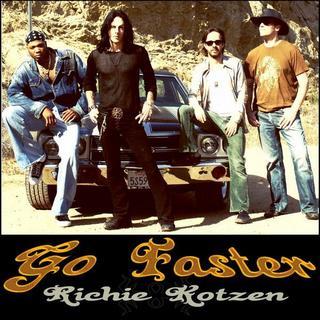
Richie Kotzen – Go Faster

May 19th, 2008 in CD/DVD, Reviews by Chris Dingman

Richie Kotzen - Go FasterRelease Date: August 21, 2007

Former Poison and Mr. Big guitarist Richie Kotzen has matured gracefully in the years since he entered the scene in 1989 as a budding six-string virtuoso on Mike Varney’s Shrapnel Records. Since adopting Fender instruments in the early 90’s, Kotzen has developed two signature guitars with Fender Japan that consistently rank amongst their best-selling models. Kotzen has been pumping out quality solo material and playing to adoring crowds worldwide for years.

Kotzen’s latest offering (called Go Faster here in the US, and Return Of Mother Head’s Family Reunion in the rest of the world) is a groove-infused celebration of rock music. While maintaining a contemporary edge, Go Faster recalls the classic rock of the 60’s and 70’s, and also draws inspiration from vintage soul and funk – check out the infectious vocal refrain in ‘Faith’ and the wah-drenched background guitars in ‘You Know That.’ Whatever styles Kotzen brings into a particular track, he maintains a distinctive rock attitude in his delivery of every song.

Go Faster boasts a good balance of ripping tracks like the title track and ‘Feed My Head,’ as well as slower tunes. Of the ballads, ‘Chase It’ stands out as a tremendously catchy composition, tailored to a radio format by joining gorgeous melodies with reflective lyrics and a tasteful arrangement that builds to a powerful peak. His compositional skills shine in bluesy rock songs like ‘Bad Things’ and ‘Do It To Yourself,’ where he develops his catchy themes with distinctive sections that flow fluidly into one another. Song after song, the album contains riffs that grab you and melodies that keep swimming around your head hours after you hear them.

From the album’s opening track to its final moments, Kotzen sings with authority. Kotzen brings bluesy inflections to his vocal melodies in songs like ‘Feed My Head,’ and an insistent wail to soulful rockers like ‘You Know That.’ His vocal lines are memorable and delivered with fire – something that is often missing in guitarists of his caliber who take the mic.

The guitar tones all over Go Faster proudly scream ‘single coil!’ courtesy of Kotzen’s signature Strat and Tele. He coaxes lead tones out of them that serve each musical setting – from the brutal lines of ‘Bad Things’ to the buttery solo in ‘Fooled Again.’ His rhythm tone complements his shimmering chord work, as well as his more frequent guttural riffage.

He infuses his playing with as much inflection as he does his vocals, and anchors it with a rock solid groove. Kotzen’s solos are the only inconsistent element here – he sometimes comes out of the gate blazing and slows down only briefly for a bend, which prevents songs like ‘Feed My Head’ from rocking as thoroughly as they could. Other times, as in ‘Dust,’ his solos lock right into the groove from the start and progress naturally towards a satisfying finish.

The performances and recordings of every player involved are tight and crisp. Every instrument holds its own ground in the mix of Go Faster, and fuels the winding vibes that make up the album. Kotzen involved the band in the jams that produced the final cuts of the album, and it shows in places like the down-and-dirty verse of ‘Bad Things,’ where the rhythm section sets off Kotzen’s riff with some very hip accents. The vocals stand above the rest of the mix, followed closely by the lead guitar – which is loud enough to command your attention without masking the performances of the rest of the band. Overall, this an excellent rock album that showcases strong songs and striking vocals as much as it highlights Kotzen’s virtuosic guitar work.

Highlights

  • Kotzen’s soaring falsetto in the chorus of ‘Go Faster’
  • The addicting pre-chorus and chorus of ‘Fooled Again’
  • Kotzen’s sharp phrasing and incendiary rock fire in ‘Fooled Again’ (5:26 – 6:19)
  • The trudging groove that fuels the intro and verse of ‘Dust’
  • The gnarly dyads that open the ‘Dust’ solo, and its twisting wah lines (3:24)
  • The push-pull interplay of the bass drum and guitar in ‘Do It To Yourself’s verse
  • Every emotive minute of the radio-ready ballad ‘Chase It’
  • ‘Feed My Head’s escalating intro riff

Overall: 4.5/5

Vanna @ Harper’s Ferry – Boston, MA

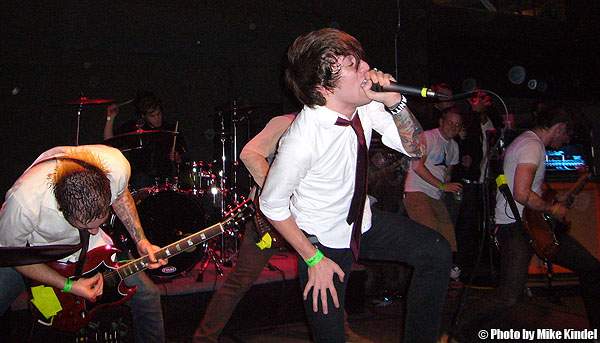
May 1st, 2008 in Concert, Reviews by Mike Kindel

Vanna

A gentle breeze softly caresses the dawning of a new spring day. The birds chirp merrily in the tranquil meadow, without a hint or warning of the onslaught to come. Suddenly, the skies darken and a hurricane rips the beautiful scene apart; the perfect parallel to the live performance of the Massachusetts born, hardcore explosion of talent that is Vanna.

Vanna came crashing into Harper’s Ferry, destroying every eardrum within reach, and inciting bloodthirsty fans to mangle their bodies in the inevitable pit. As they had already completed most of their tour, this band had become seasoned live performers, very much in control of what they were doing. Once the amps were fired up, they launched into the set. Front man Chris Preece delivered monster vocals, living up to everything on the studio album. The band’s stage presence matched the aggression of their fans. They were head banging right along with the crowd that had packed itself at the foot of the stage, and rocking out – violently swinging their instruments around, and even spraying the audience with beer. The boys looked comfortable onstage in their hometown, obviously enjoying every minute of their performance.

Total musical chaos and abuse seemed to reign on stage at first glance – the group’s guitar straps were even duct taped onto their guitars – yet this was contrasted by the overall tightness of the band. The tone and blend of the show were rough around the edges, depending on where the listener was in relation to the stage, but that was to be expected from the small bar and served well to cover up any performance mistakes.

Vanna - Nick Lambert

Nick Lambert

The demographic was unique and pleasantly surprising, as it included a plethora of college-age females. This could be attributed to the bill for the evening, which contained mostly pop-dance bands. Although Vanna were quite different from the rest, they were still very well received and connected with the crowd, who shouted along with the songs. The band brought the power of the tracks on their most recent album, Curses, to life, pouring their hearts into their rather short performance. They demonstrated a mastery of breakdowns in their songwriting – and their live replication of the heaviest parts were spot-on and brutal enough to give you chills. Vanna maintained an exceptionally high level of energy throughout their set from the first chord to the last scream.

Offstage, the members of Vanna are very laidback and friendly, as if they pent up all of their anger and aggression and released it during their performance. Guitarists Nick and Evan were happy to talk and share stories of their tour as well as answer guitar-specific questions about tunings, strings, etc. – which made for a very satisfying experience. Coming from a band that was as heavy as Vanna, it was good to see the band as a group of humble and outgoing boys.

For the heavier side of music, Vanna is definitely a band to keep your eye on. The screaming from the vocalist, Chris, is unique and distinguishable in this genre. The riffs are catchy, and their breakdowns are very tasteful. They are in the process of recording their new album – which after hearing a live performance of their new single, should turn out just as, if not more impressive than Curses. They plan on touring behind their forthcoming new album as well, so keep up with their dates and head to a show nearest you.

Eddie Jelley and Cold Shot (SRV Tribute) @ Palace Theater – Waterbury, CT

April 12th, 2008 in Concert, Reviews by Mike Kindel

Eddie Jelley SRV 1Every inch of the Waterbury Palace Theater is elegant enough to hold a crowd wearing tuxedoes and cocktail dresses – a far cry from the skeptical demographic of predominantly middle-aged men that attended the Stevie Ray Vaughan tribute show performed by guitarist Eddie Jelley and his band Cold Shot on April 12th. Although not completely satisfied with his performance, Jelley definitely rocked the stage and brought the blues music of Stevie Ray Vaughan back into attendee’s hearts.

Jelley and his band took the stage with confidence, but also with instruments that were out of tune with each other, creating an awkward opening. Additionally, the sound crew overseeing the show took a long time to dial in the sound, overpowering a muddy rhythm section with Jelley’s loud guitar. The performers, however, were professional and experienced enough to communicate with each other musically and ‘tune up’ quickly on stage. The band looked and dressed the part, with Jelley even wielding a homemade SRV Stratocaster.

Eddie Jelley SRV 2Desipite Vaughan’s vast influence on the guitar community, the easygoing Jelley claims that SRV is not his favorite guitar player, or even a major source of childhood inspiration. The self-taught guitarist takes care to note that his goal with this tribute group is not to precisely replicate SRV’s music, but to tour the SRV catalogue in an attempt to bring the legend and his music back into people’s lives. As much as his audiences enjoy his performances, of course they will always compare his performances against those of SRV.

Eddie Jelley established himself as distinctive player who was not content to emulate SRV. He played more notes than the Texan would have, and chose licks outside of the Hendrix and Albert King repertoire that formed the basis of SRV’s blues. Jelley explains this by citing influences such as Neal Schon of Journey over more typical bluesmen like Eric Clapton. Jelley even performed in a Journey tribute band as well, and played many shows in the Connecticut area with the band “Salty Dog and the Good Rats” in his younger days.

Eddie Jelley SRV 3Though Jelley set himself apart musically from SRV, he was eager to emulate SRV’s famously engaging performance style. Jelley and his band studied SRV’s live DVDs – imitating SRV’s exaggerated facial expressions and reenacting crowd favorites down to the placement of drum solos. Jelley’s attention to detail in his presentation of SRV’s music reflects his desire to move as many people as possible.

Eddie Jelley SRV 4Although the band captured the visuals of Double Trouble, the overall sound was slightly unfilled during the standard SRV hits. Buildups were powerful, but the explosion that should have followed wasn’t quite as strong in comparison, as if the gains were not pushed high enough. Jelley, a seasoned touring musician, felt that the band’s performance was looser than their usual standard. Their rehearsal the day before the gig had been extensive, and by the time of the actual show the band was exhausted.

Eddie Jelley’s rig was as conservative as he is humble: he had one Marshall amp with no footswitch or pedal board, a Dunlop Crybaby wah pedal, an echo pedal and a Tube Screamer – no guitar stand or tuning pedal. However, when the sound was finally dialed in, this was sufficient enough to produce a great blues tone.

The band took a short intermission, allowing fans to go drink and smoke. This break served to liven the air of the Waterbury venue. The tribute band blasted into their second set, pulling a great deal of enthusiasm from the audience. SRV’s version of “Little Wing” was their best song of the night, and saw the band locking into a deep head-bobbing groove.

Overall, Cold Shot did a good job of recapturing the magic of Stevie Ray Vaughan, and his band Double Trouble. The show ended on the powerful hit “Voodoo Child,” which rocked the Palace and brought fans to their feet. This beautiful and soulfully delivered tune was the perfect show closer and left fans with a buzz of electricity and satisfaction – touched once more by the music of Stevie Ray Vaughan.

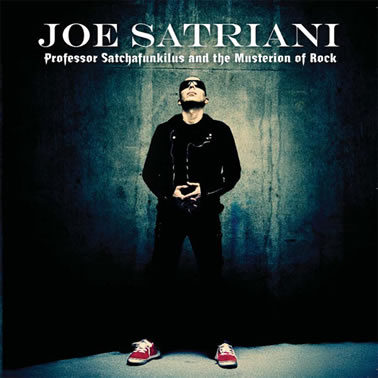
Joe Satriani – Professor Satchafunkilus and the Musterion of Rock

April 10th, 2008 in CD/DVD, Reviews by Chris Dingman

Joe Satriani - Professor Satchafunkilus and the Musterion of RockRelease Date: April 1, 2008

Joe Satriani has been in the business of making memorable instrumental guitar rock for more than two decades. After helping to bring the genre into the mainstream in the late 80’s with his seminal 1987 album Surfing with the Alien, Satriani has taken detours to fuse numerous other genres with his core style. For instance, he introduced some bluesy fusion into his sound on his self-titled 1995 album, as well as elements of electronic music on the unexpected Engines Of Creation in 2000.

Throughout his experimentation, he has always retained a distinctive voice both as a guitarist and a composer, thanks to his expressive phrasing and keen ear for melody. Since 2002’s Strange Beautiful Music, Satriani has been using a straightforward rock format as the foundation to explore vintage American and sometimes Eastern influences.

On his boldly titled new disc Professor Satchafunkilus and the Musterion of Rock, Satriani continues in this vein for the most part. As always, he brings in several well-developed ballads, including the introspective “Revelation,” which contains one of the album’s most riveting and melodic solos. He rocks out in his unique manner – laying down monster riffs and supplementing them with melodies that navigate their way through intriguing chord progressions as in ‘Overdriver’ or linger over static blues-rock grooves like those in “I Just Wanna Rock.”

Satriani does explore some exciting new territory on “Asik Vaysel,” a tribute to the departed Turkish saz (a native four-stringed instrument) player of the same name. In attempting to imitate Vaysel’s playing, Satriani employs an extremely light touch with both his fretting and his picking hand. His approach results in some of the smoothest guitar tones ever heard, from a man internationally regarded for his distinctive legato techniques.

As adventurous as his chord structures and melodies become, Satriani centers many of his solos around pentatonic scales, supplementing them with accents or runs that connect his lines to the harmony of the song. While he does this very well, it does at times prevent him from taking full advantage of the unusual tonalities that he explores in his compositions, such as the Hungarian Minor context of “Musterion.” The opening to “Andalusia,” however, defies this trend, and stands out because of it. His chops throughout are in peak form, showcasing his flair for melding chunky blues phrases with slippery scalar lines.

Satriani’s albums have always sounded good for their time, and the clear production of Professor Satchafunkilus and the Musterion of Rock (handled this time around by John Cuniberti with Satriani) measures up well against his other recent efforts. In a genre where funds are often tight and engineering is often shortchanged, Satriani’s tones cut through the rounded bass guitar and tight drums of his rhythm section. The quiet blend of percussion and sorrowful acoustic lead work at the beginning of album closer ‘Andalusia’ sounds just as sonically rich as the rest of the album – but more impressive still is the smooth shift in dynamics when the drums kick in and Satriani unleashes the dark riffing that anchors the rest of the song.

Professor Satchafunkilus and the Musterion of Rock stays true to Satriani’s roots and proves to be a solid addition to his impressive catalogue. His strength as a musician continues to be his restraint as a guitarist. Fans of his recent work will certainly enjoy the clever guitar rock that he once again delivers on his latest album.

Highlights

  • Satriani’s wild, fuzz-drenched solo in ‘Overdriver’
  • The bouncy melodies of the playful funk-fest ‘Professor Satchafunkilus’
  • The searching pre-chorus and cathartic chorus of ‘Revelation’
  • Satriani’s wrenching solo over the ‘Revelation’ outro
  • The slinky organ vibes that drive the cleverly titled ‘Diddle-Y-A-Doo-Dat’
  • The captivating pedal tone melody that opens ‘Asik Vaysel’
  • Satriani’s lush acoustic solo in the first two minutes of ‘Andalusia’
  • The alternation between aggressive scale bursts, searing slow-release bends and furious whammy bar thrashings in Satriani’s solo (4:51 – 6:01) in ‘Andalusia’

Overall: 4/5

Meshuggah – obZen

February 20th, 2008 in CD/DVD, Reviews by Charlie Shaughnessy

Meshuggah - obZenRelease Date: March 11th, 2008

The little preview I got of “Bleed” a few weeks prior to receiving my promo copy of obZen was not enough to prepare me for the musical density of Meshuggah’s latest thrill-ride. It’s quite a task to accurately describe the musical content of a group like this. To say the least, fans will be pleased to know that the band has stuck to their sound and even incorporated some of their roots in this new album.

Though by this point most of us are so used to the crushing sound of eight-string guitars methodically playing in sync with mind-bending drum patterns, there are hints of some early “thrash” Meshuggah garnishing the material on this album. I use the term loosely, because Meshuggah sounds almost nothing like a thrash metal band. Compare the term to some of the riffs in Destroy, Erase Improve and None to get a feel for what I’m speaking of.

The opening track “Combustion” grants us a fast-paced introduction to obZen. Most of the track ditches the layered odd rhythms between the guitars and drums, which have become so common to Meshuggah’s writing style in favor of a straight-ahead approach. The 3-feel intro “Dancers To A Discordant System” really feels like what the title suggests. Similarly, the intro to “Pineal Gland Optics” features the guitars and drums performing a clever play off one another. Drummer Thomas Haake’s time feel is a lot less rigid than it was on Catch 33, most likely due to the drums being recorded live as opposed to sequenced.

The guitar tones have improved since Catch 33, and the drums sound better since it’s a real performance. The band is sticking to Line 6 gear, and they use it to the full potential for the most part. Some of their “semi distorted” sounds they get (such as the sound used at 0:15 in “Dancers To A Discordant System”) are a bit shrill, but everything else is brutal and heavy enough to accurately complement the music. The solo tones are rather quiet in the mix, and guitarist Fredrik Thordendal could be heard more on this album.

The performances on obZen are extremely tight and well-produced, especially considering how complex the music is. It’s always interesting when the band breaks to a soundscape or a guitar solo because of the exotic and contrasting texture it creates with the violent nature of Jens Kidman, so I would’ve loved to hear more. Like the rest of the band, Fredrik has firmly established his “sound” in terms of soloing. Some of his solos are full of his signature tapping licks, while others feature Holdsworth-like phrasing. His signature breath controller may be going through some technical difficulties, because it seems to be MIA for this album. Some of his coolest guitar sounds have been made with that device, so I hope we see it on their next work.

Overall, the new Meshuggah disc is violently heavy, full of groove, and thrashier than most previous discs. As far as material is concerned, it’s hard to separate this album as anything significantly diverse in comparison to the rest of their catalog, but having said that, more Meshuggah is always good Meshuggah, and it’s great to hear how they are developing as players.

Highlights

  • The verse riff to “Electric Red” (0:26)
  • The soundscape and guitar solo to “Bleed” (4:10)
  • “Lethargica” outro (4:35)
  • Fredrik’s tapping solo to “This Spiteful Snake” (3:15)
  • “Pravus” intro
  • The guitar intro to “Dancers To A Discordant System” (0:15)
  • Guitar solo in “Dancers To A Discordant System” (6:28) and the heavy modal riff right afterwards.

Overall: 4/5

Hate Eternal – Fury And Flames

February 19th, 2008 in CD/DVD, Reviews by Jimmy Gately

Hate Eternal - Fury and Flames

Release Date: February 19th, 2008

Hate Eternal have once again proven that they are the King of all Kings. After facing several dilemmas last year including the departure of drummer Derek Roddy, the possibility of canceling a tour, and the passing of fellow friend and ex-band mate Jared Anderson, guitarist/vocalist Erik Rutan has returned with a new line up, a new label and a new album, entitled Fury & Flames. This album clocks in at 40 minutes even and it never stops.

Musically, the album is vicious, brutal and relentless. Rutan is a master of dissonant and twisted melodies yielding them in both somber and dark atmospheres. Lyrically, as he has before, he writes in a more aggressive and hate-filled mindset, picking topics in philosophy, religion, and war. Rutan sounds like an absolute monster on this album, very much sounding inhuman.
The addition of Shaune Kelley makes them sound twice as loud and provides great tandem soloing. The solos throughout the album fit perfectly whether it is Slayer-like shredding or sinister sounding melodic lines. Alex Webster, as always, lays down some of the best bass lines in death metal and if listened to carefully, can be picked up in various parts of songs. The drumming on the album, now provided by Jade Simonetto, is nothing short of recognition. He has incredible double bass and hands and deserves to be part of the lineage of drummers that have played with Hate Eternal which includes Tim Yeung, Derek Roddy, Kevin Talley, and Reno Kiilerich, too name a few.

The album opens up with a track called “Hell Envenom” which takes me back to their King Of All Kings album. The song begins with Rutan screaming with a heavy echo effect at which the band enters with a wall of cacophony, a creating a ominous and eerie vibe. The band then stops for Erik to roar “Hell Envenom!” and the blasting begins. This is one of my favorite tracks off the album. Other tracks such as “Whom Gods May Destroy” and “The Funerary March” follow in that same style of just pure brutality.

Several tracks on the album have some surprising turns, one being a song called “Bringer of Storms.” Although the song does contain blasting, it still maintains a slow half-time feel. It is a fairly melodic song more geared towards generating a particular feel, rather than the more dissonant riffing in the aforementioned tracks. It does contain one of the heaviest moments on the album with Rutan screaming, “Hail!” over and over again.

One of the most surprising moments on the album is a track called “Fury Within”. It opens with a jarring riff with a heavy rhythm motif, but the drums are playing a more groove-oriented style, rather than blasting away. It even contains, for lack of a better term, a sort of breakdown-esque drum part near the end of the song. This song, although not necessarily groundbreaking, will definitely catch the ears of Hate Eternal fans.

Overall, this album is amazing. The production is excellent considering it is recorded on a two-inch analog machine that Rutan has had since his Morbid Angel days. Despite all the obstacles they faced at the end of 2007, Hate Eternal has found new strength and will continue its devastation in the death metal community.

Highlights

  • Hell Envenom
  • Para Bellum
  • Bringer Of Storms
  • Fury Within
  • Tombeau (Le Tombeau De La Fureur et Des Flammes)

Overall: 4.5/5

Ayreon – 01011001

January 7th, 2008 in CD/DVD, Reviews by Charlie Shaughnessy

Ayreon - 01011001Release Date; Jan. 29th, 2008

Arjen Lucassen never ceases to amaze, and nothing changes with the latest Ayreon masterpiece. Ayreon – 01011001 (or Y) is split up into two parts – Planet Y and Earth. Lyrically, the album is a bit less straightforward than his previous work, The Human Equation. While it was pretty obvious what the story behind THE was, it may be a bit hard for the listener to break through the density of Y if enjoyment was found in THE’s lyrical style, although this method gives Arjen a chance to be a bit more playful and artistic with the way he uses words.

I have mixed feelings about the compositions on Planet Y. As an album, it’s a collection of very dark material, probably the darkest writing of Arjen’s career. It’s the first time I’ve heard a vocoder being used in his material, and where it’s used it fits very well. I’m not sure that many people will appreciate some of the more experimental moments on the album: the doom-pop feel of ‘Connect The Dots’, the cheesy pirate-dance theme in ‘The Truth Is In Here’ (although I think this is typical of Arjen), also some of the vocal moments on ‘E=MC2′ may be a bit too much for some listeners. At the same time, Arjen has written some of the best material of his career. ‘Beneath The Waves’ is simply stunning songwriting, ‘The Fifth’ and ‘Sixth Extinctions’ are both masterpieces in their own right, and ‘Walking Dreams’ is one of the most relaxed and cohesive pieces on the album.

Arjen always seems to get top-notch performances from his vocal guests. I don’t think I’ve ever heard Daniel Gildenlow perform the way he does on Y (compare this to James LaBrie’s performance on THE). It’s disappointing that Ty Tabor’s sole performance is on ‘Connect The Dots’, although I think his voice fits well for the moment. Tom Englund sounds fantastic and his voice fits well for the material, as do all of the guest singers. As always, Arjen’s guitar playing is both tasteful and technical. I was surprised when I saw Tomas Bodin’s name on the guest player list – his keyboard solo on ‘Waking Dreams’ was very appropriate for the music. The album sounds great, as all of Arjen’s albums do. He’s got a very unique and tasteful mixing style that fits very appropriately with the music.

Highlights

  • The acoustic interlude on ‘Age of Shadows’ (beautiful use of the vocoder)
  • Guitar solo on ‘Beneath The Waves’
  • ‘Web of Lies’ – beautiful acoustic guitar playing and writing
  • 6:10 of ‘The Fifth Extinction’ and the subsequent string break at 7:50
  • Keyboard solo on ‘Waking Dreams’
  • Arjen’s vocal performance on ‘The Truth is In Here’
  • Violin solo and flute solo on ‘River of Time’
  • Michael Romeo’s guitar solo on ‘E=MC2′
  • Part C of ‘The Sixth Extinction (2085)’ – 3:20

Overall: 4.5/5

A must for any Ayreon fan, but ‘Connect The Dots’ takes a lot away from the dark, lyrically dense feel of the album. The lyric material is almost too dense at times, and probably too cheesy for most listeners, even of this particular style. That being said, fans of most of the guest singers’ bands (ie, Blind Guardian) are bound to fall in love with this album, and people who loved THE have got to pick this one up!

Trans-Siberian Orchestra @ Civic Center – Hartford, CT

November 16th, 2007 in Concert, Reviews by Mike Kindel

Trans-Siberian Orchestra 1They came upon the Midnight Clear, and lit up the Hartford Civic Center on November 16th with lights, lasers, pyrotechnics, smoke, and even snow, and backed their theatrical performance with musicianship and epic arrangements of everyone’s favorite Christmas songs that put even the biggest Scrooges in the holiday spirit. The diverse demographic proved that all ages could rock out under one roof. The Civic Center in Hartford, CT is a multi-purpose coliseum that was perfect for a Trans-Siberian Orchestra concert.

The show opened with the band, in conjunction with a local radio station, informing fans that a donation of $16,720 would be given to a charitable foundation called Cherish Children. As soon as they were finished the Trans-Siberian Orchestra launched into their set list, bringing everyone to their feet. Peter Shaw, the narrator, moved the story along between songs, telling a tale of an Angel sent to find Christmas Spirit on Earth from the perspective of a man in a bar on Christmas Eve who helps a stranger in need. As Shaw declared that snow had begun to fall, snowmakers in the rafters above began showering the audience on cue. The choreographed lights and lasers also did their part in bringing the wintry experience to life. The feeling of Christmas was overwhelming as fans reached up and tried to catch the snowflakes.

Positioned on raised platforms on either side of the stage were guitarists Chris Caffery and Alex Skolnick, delivering familiar holiday melodies from their classic metal stances. Their guitars sang with crystal clear tones that complemented the already vibrant and plush overall sound. With an orchestra behind them, one would think that the texture would get muddy or too thick for a rock band, however the band was extremely tight and the levels had been set perfectly for the arena. No one string instrument stuck out over the rest and the guitars blended nicely with the orchestra, drums and vocals.

Trans-Siberian Orchestra 2The Trans-Siberian Orchestra have gotten their act down to an exact science – to the point that each movement on stage was precise and rehearsed. I disliked that there was very little room for improvisation. The singers entered and exited on cue just as the guitar players maneuvered to planned destinations. In the background of the stage, Shaw’s air guitar proved to be a minor distraction, although the female vocalists were eye-candy enough to divert attention. TSO’s first set ended on an uplifting note with crowd favorite “Greensleeves,” leaving fans in the wake of holiday spirit.

The first half of the show ended and bandleader Chris Caffery took the stage as customary to inquire about how his fans were doing. He wore a Patriots Jersey, knowing it would cause some buzz in the Connecticut venue – which it did. It was refreshing and humanizing to see the man as more than just a guitar player in a band. He then introduced the band and thanked the military for its service and protection.

The band’s second set broke away from the strict storytelling of the first half, allowing the players more freedom to rock out. TSO played a medley with a wide range of songs that spanned from “Proud Mary” to “We Will Rock You.” Their arrangements of these rock classics were very original and true to the sound that TSO has made recognizable as their own over the years. The keyboard players got to solo, dueling each other back and fourth. The band followed an etude by Mozart with Boston’s “Foreplay/Long Time.” The drummer got his moment to shine as well, demonstrating impressive skills and even throwing in the drum beat from Van Halen’s “Hot For Teacher.”
Trans-Siberian Orchestra 3The lighting throughout the set flashed a plethora of different colors, keeping the visual senses on edge. Violin player Mark Wood even had a glow-in-the-dark violin and bow. The show drew towards a close and doubled and redoubled in energy, akin to the grand finale of a fireworks display – the walls of lights, lasers, dry ice and pyrotechnics all on full blast.
Guitarists Chris and Alex raced through the crowd with their guitars. At the rear of the arena, they were locked into a second stage which rose from the ground as the two stood triumphantly with their axes, shredding Christmas rock; dry ice rolling around their ankles as they ascended. They rejoined the band on the main stage for the end of the set while the lights and lasers blurred the air, paralleling the guitarists’ fingers and the drummer’s sticks.
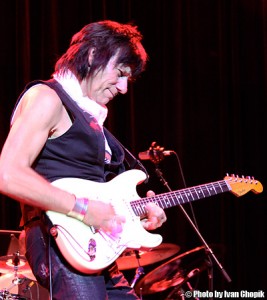
This concert was definitely an unforgettable experience. No holiday season would be complete without a traditional visit from the Trans-Siberian Orchestra.

Overall: 4 out of 5

It was professional, original and fun. A must see for the whole family.

Blind Guardian @ The Palladium – Worcester, MA

December 1st, 2006 in Concert, Reviews by Mike Kindel

Blind Guardian - Hansi Kürsch

Hansi Kürsch

After four long years, German power metal kings Blind Guardian made their triumphant return to the United States to tour their new album A Twist in the Myth. However, the tour is not just to publicize the new album, but also to show the American metal fans that after more than 20 years of countless hits and a brand new drummer, they can still teach audiences what the word ‘epic’ really means.

The show took place at the Worcester Palladium – a venue with majestic artwork, a bar, and a known reputation as being one of the most ‘metal’ venues this side of L.A. Upon entering the Palladium there was a definitive charge surrounding the place, an anticipation of a piece of American metal history colliding with gods – the calm before the storm. Guardian came in swinging with their hit “Into the Storm” to supercharge the crowd and followed it up with “Born In a Mourning Hall” – a true sing-a-long.

Marcus Siepen

Marcus Siepen

Before long, the pit had started moshing to the overall explosive sound, excited to damage their bodies as well as their ears. The driving riffs complemented Hansi Kürsch’s vocals creating the melodic balance that everyone in the pit had been waiting for. The chaos and crowd surfing kept up as Guardian pulled hit after legendary hit out of their repertoire, leaving little dead air between songs. For a band that is known throughout the metal world as one to layer their tracks multiple times, they replicated the album versions of their songs to a remarkable perfection, then took it a step beyond, doubling and redoubling their energy. One of the biggest crowd pleasers, ‘Valhalla’ had fans’ energy shaking the Palladium.

André Olbrich

André Olbrich

Kürsch and guitarists Marcus Siepen and André Olbrich demonstrated long years of professional stage experience, involving and playing to the audience (though not much encouragement was needed to get people clapping and singing along). At one point Kursh cautioned fans about being too energetic (obviously a joke). The band loved doing their job and their chemistry extended past their musicianship.

To keep the adrenaline going, Blind Guardian only performed one acoustic hit during their main set. Towards the end of the show, with the feeling that the power and magic of the night was coming to a close, both the band and fans readied themselves for an unforgettable three-song encore. After waiting until the crowd’s anticipation peaked, the band charged back on stage firing into their power hit “Imaginations From the Other Side.”

They followed the thunder up with their most famous acoustic hit, “Bard’s Song,” an expectation at any Guardian show. Blind Guardian, as true metal warriors, reserved their most powerful and epic song for their finale: “Mirror Mirror.” The raw captivation the band had over the screaming, raging fans was enough to shock the body into shivers; a truly unforgettable night.

Overall: 4.5 out of 5

One of the best shows musically and visually. Definitely a polished metal band and due to rare US tours, be sure to catch them if you can.