

Scroll Down
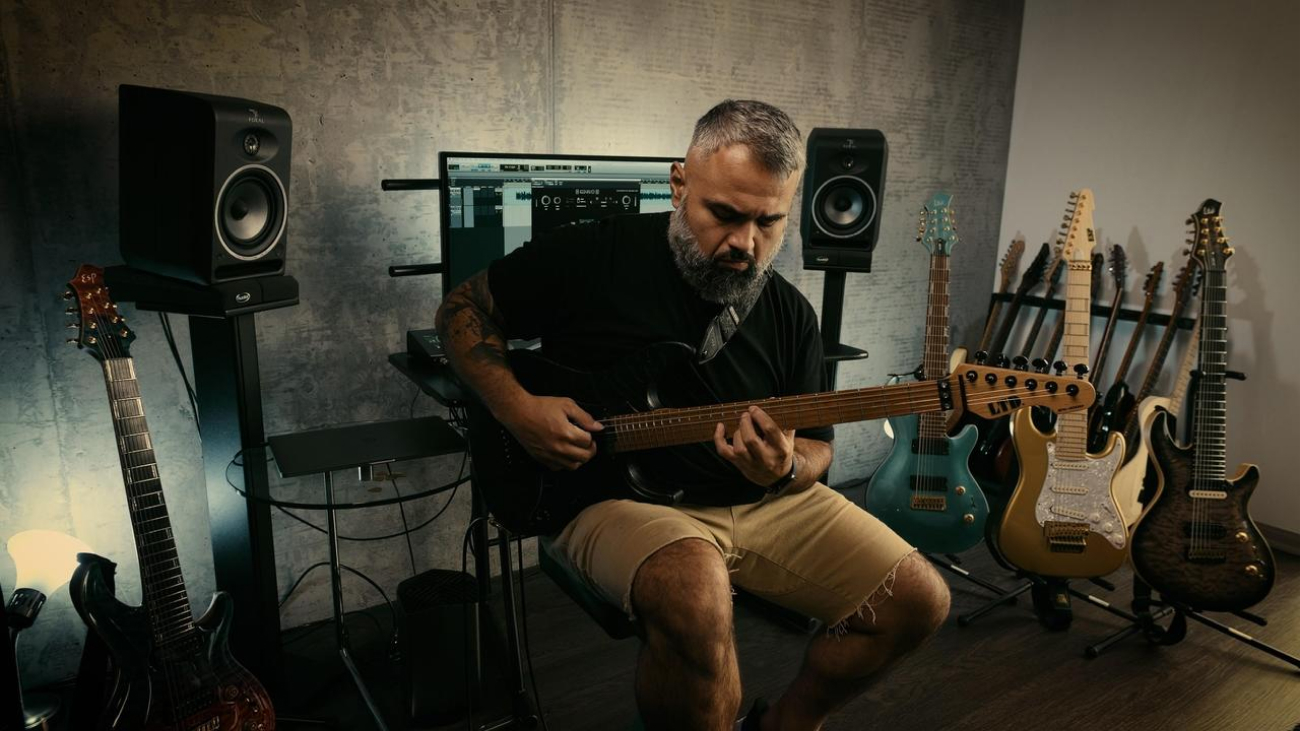
Javier Reyes of Animals As Leaders and Mestis builds on fingerpicking technique basics introduced in the Madness of Javier Reyes series. The goal of this course is to develop a strong foundation for the fingerpicking technique. The program includes 5 etudes, offering a musical, fun path to synchronizing both hands and developing right-hand finger dexterity. A perfect course for beginner to intermediate guitarists looking to dive into the world of fingerpicking.
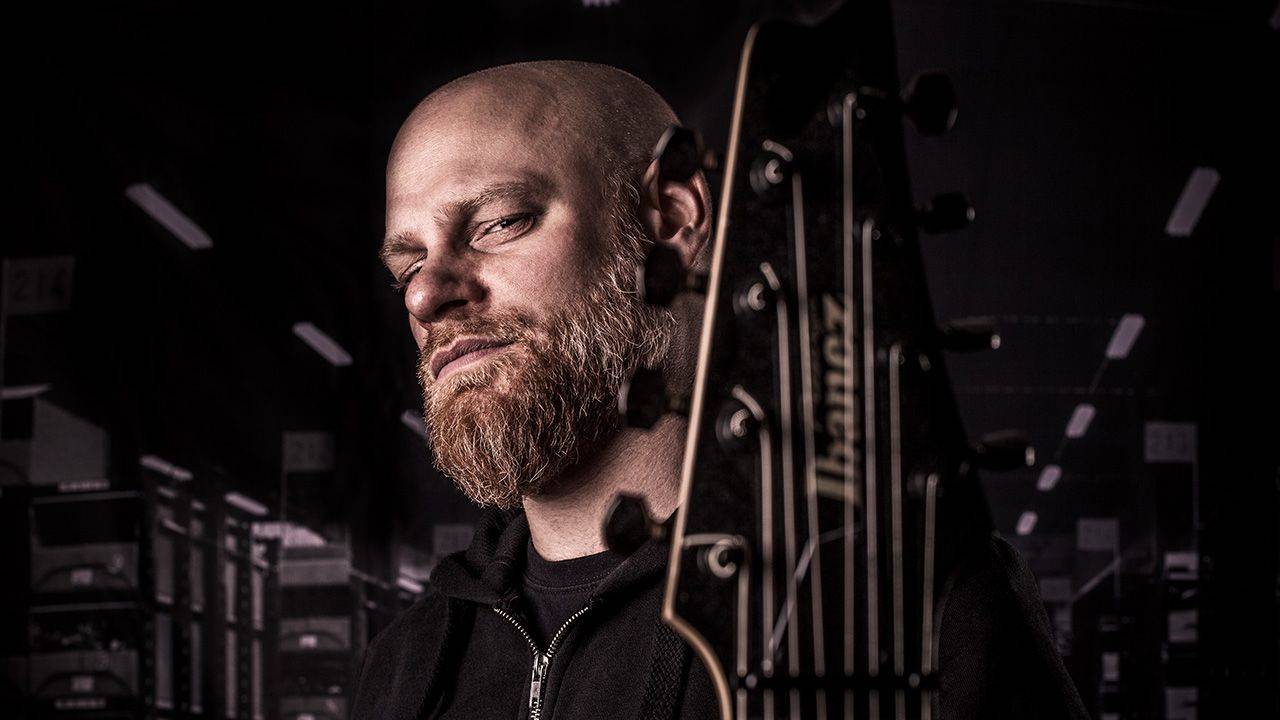
Scar Guitar is a detailed journey into the modern playing styles of Per Nilsson, one of the world's finest guitarists. Best known for his work with Swedish melodic death metal group Scar Symmetry and progressive metal titans Meshuggah, Per offers a close-up personal look at his unique approaches to music and the guitar. This course includes over 2 hours of lessons and performances, in-depth interviews, & bonus materials.
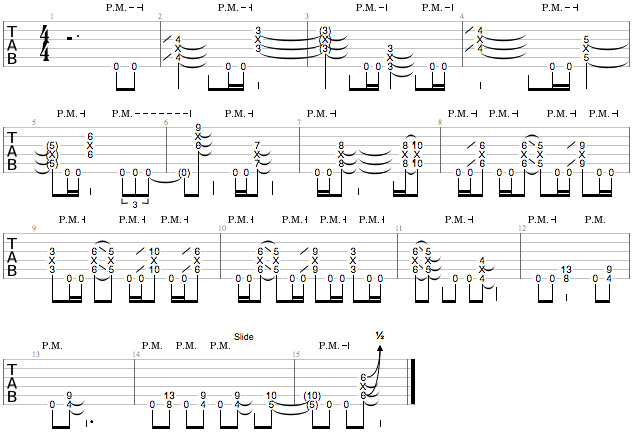
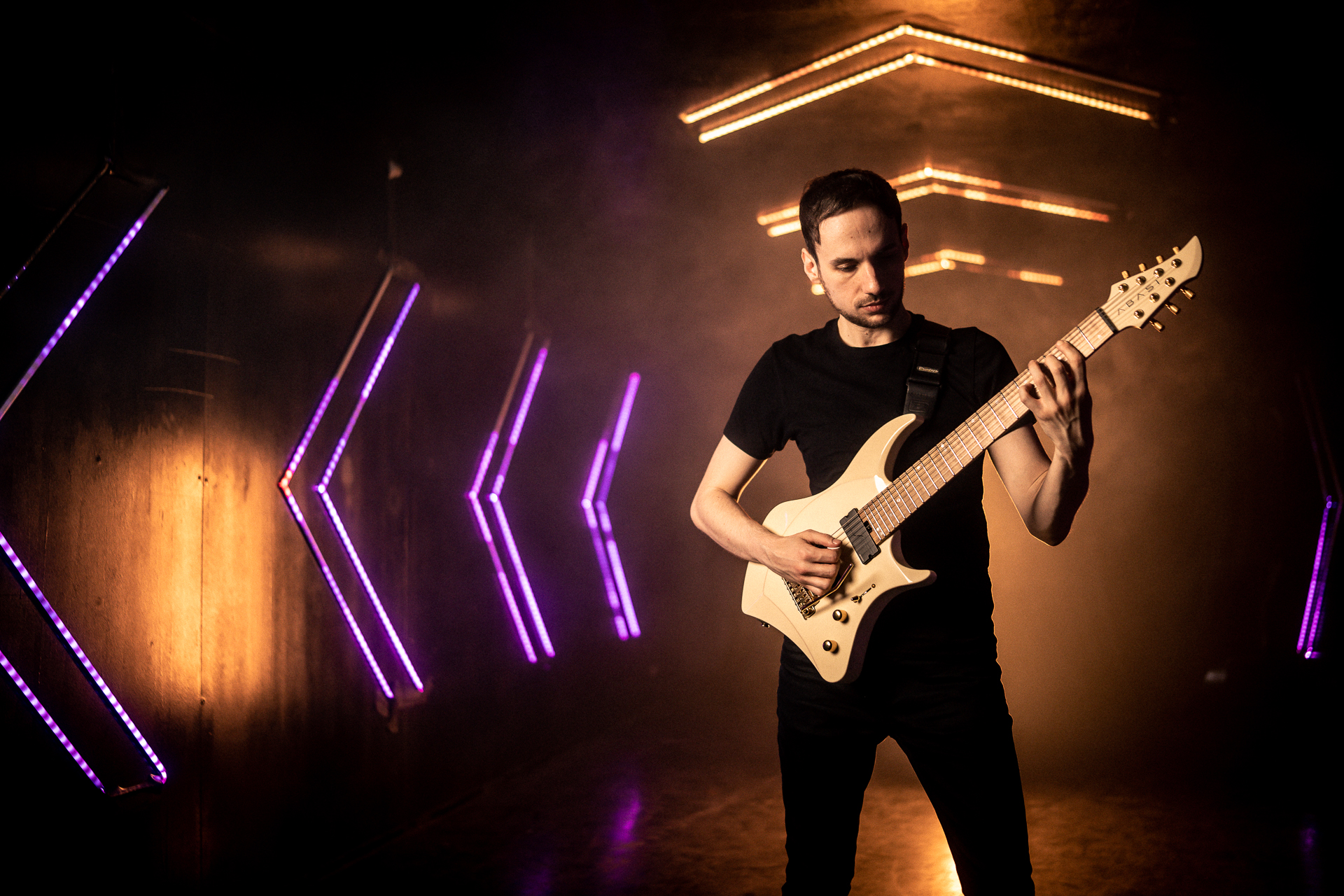
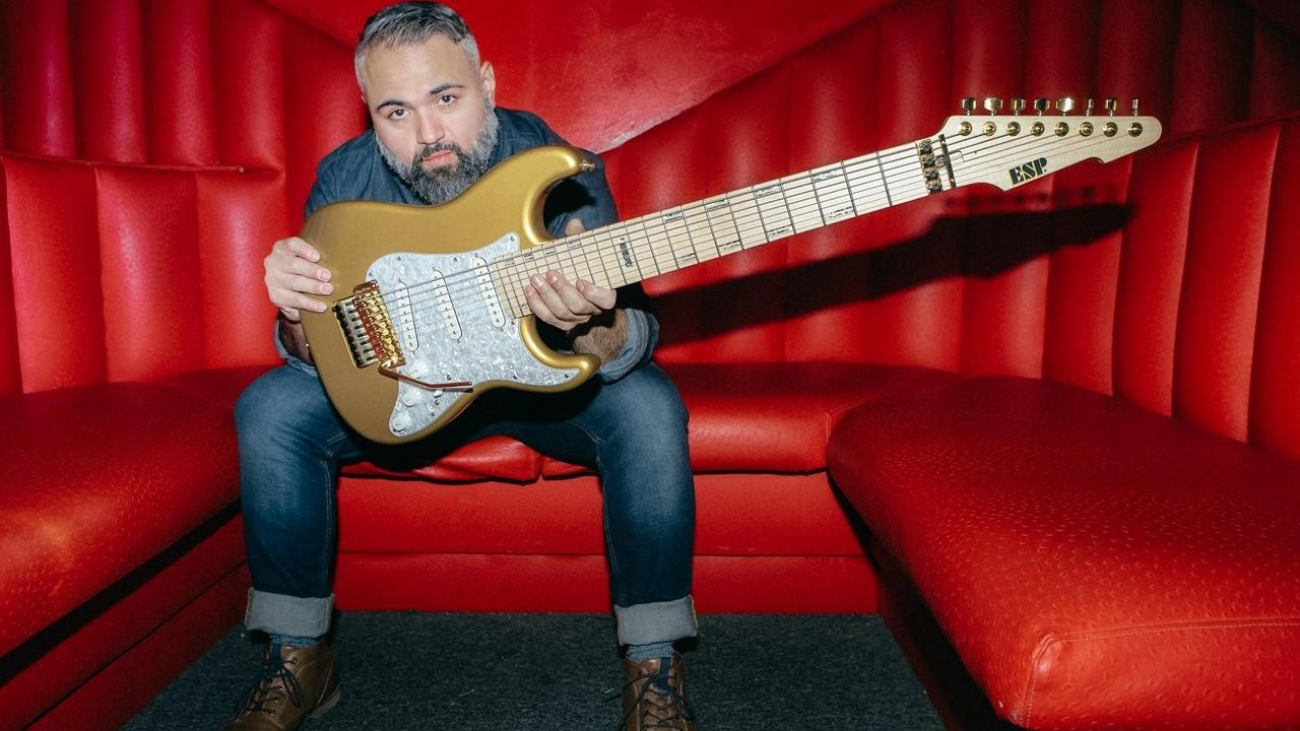
THUMP! is an in-depth exploration of the modern playing techniques of Tosin Abasi. This course focuses primarily on his approaches to the thumping technique, and also explores several other key techniques that offer insight into his music. Included are detailed transcriptions, as well as backing tracks for select songs. The course is not limited to 8-string guitarists. All concepts can be applied to 6 and 7-string guitar.
The quintessential guide to modern picking techniques as taught by Stephen Taranto. "The purpose is to shed some light on how I traverse the strings, while keeping things as clean and as fast as possible.”
Javier Reyes of Animals as Leaders and Mestis breaks down some of his key techniques and offers close-up demonstrations of four compositions. All lessons & performances are presented in crystal clear 4k video, with multiple angles covering all the action. Each example is transcribed in great detail and can be looped, slowed down, sped up, transposed - all on the same page. Each example is also available for download in Guitar Pro format.
This set of lessons offers an in-depth look at the Animals As Leaders track BACKPFEIFENGESICHT. Featuring 4k video, detailed transcriptions, and downloadable Guitar Pro files, Tosin gives insight into some of the playing and writing techniques that are highlighted in the track: Thumping, Selective Picking & Sweeping in Riffs, Hammer-On-From-Nowhere Riffing, Songwriting & Arrangement Techniques.